KateMurray

About Kate Murray

This author has not yet filled in any details.
So far Kate Murray has created 66 blog entries.

The Mito Cocktail

Some mitochondrial specialists may recommend a combination of vitamins and mitochondrial cofactors (nutrients that help enzymes do their jobs), often referred to as the mito cocktail. The goal of a mito cocktail is supportive, to help optimize mitochondrial function, reduce metabolic stress, and improve symptom management.

It’s important to know that there is no single standard mito cocktail. Supplement choices (if recommended at all) depend on an individual’s diagnosis, symptoms, age, medications and lab findings. Clinical experts emphasize that while strong randomized trial evidence is limited for many supplements, supplements are often used in practice because some have biologic rationale, relatively favourable safety profiles when monitored, and may be particularly relevant in specific mito conditions.

Specialists may consider supplements because they can help:

  • Support energy production pathways (including oxidative phosphorylation)
  • Provide cofactors needed for mitochondrial enzymes
  • Help manage secondary effects of mitochondrial dysfunction (like oxidative stress)
  • Address suspected or documented nutrient deficiencies

In some mitochondrial disorders, specific supplements are more commonly considered because of the underlying biology. For example, the Mitochondrial Medicine Society care standards note that riboflavin may be considered in ACAD9-related myopathy and that a combination of CoQ10 and riboflavin may be considered for ETFDH gene-related myopathy.

These are often discussed during mito clinc appointments and in patient resources, but not everyone needs them, and dosing/selection should be individualized.

There’s a fair amount of supplement information online that can sound very convincing. But with mitochondrial disease, the right supplement plan depends on the type of diagnosis and the right clinical context. Supplements can interact with medications, affect lab test results and, depending on the individual, may cause side effects.

Before starting, stopping or changing any supplement, it’s strongly recommended that you discuss it with the specialist overseeing your mitochondrial disease care.


Mealtime Approaches to Managing Energy Levels

Energy conservation is an important part of daily living with mito. Because energy production may be limited, everyday activities such as planning, preparing and eating meals can contribute to fatigue.

Mealtime strategies that reduce physical and cognitive effort can help preserve energy for other essential activities while still supporting consistent nutrition. Small adjustments in how and when meals are prepared and eaten make a meaningful difference.

1. Planning meals in advance
Deciding what to eat ahead of time can reduce decision fatigue and help avoid missed meals on lower-energy days. Simple meal plans or rotating familiar meals can support consistency without added stress

2. Sitting while preparing food
Sitting during food prep helps conserve energy, reduces muscle strain, and support safety, especially for individuals with muscle weakness, balance challenges or fatigue.

3. Using convenience options, when needed
Pre-cut produce, frozen meals, canned food, slow cooker and delivery options can be helpful tools, not shortcuts. These options can help maintain nutrition on days when energy is limited.

4. Timing larger meals during periods of higher energy
Eating more substantial meals at times of day when energy is typically better may help reduce fatigue and support digestion. Lighter meals or snacks may feel more manageable during lower-energy periods.

Care partners play a valuable role in supporting consistent nutrition, particularly during periods of illness, increased fatigue, or symptom flare-ups. Assistance with meal preparation, reminders to eat or drink, and flexibility around mealtime expectations can help reduce pressure and support overall well-being.

Managing Food Triggers in Mito

Food-related symptom flare-ups have been a reported experience for some individuals living with mito. Because mito can affect multiple organ systems, including the gastrointestinal tract, muscles, nervous system and autonomic nervous system, responses to food, meal timing and portion size can vary widely from person to person.

Research and clinical care guidelines increasingly recognize that metabolic stress, including prolonged fasting, large energy demands from digestion or rapid shifts in blood sugar, may worsen symptoms in individuals with impaired mitochondrial energy production. Patient reports also highlight that certain foods or eating patterns can contribute to fatigue, gastrointestinal discomfort, headaches, muscle pain or symptom flares.

Commonly reported triggers may include:

  • Skipping meals or prolonged fasting, which can increase metabolic stress and reduce available energy, particularly important for individuals who rely heavily on regular carbohydrate intake
  • Large, heavy meals, which may be more difficult to digest and can temporarily increase fatigue or gastrointestinal symptoms
  • Highly processed foods, which may be lower in essential nutrients and harder for someone individuals to tolerate
  • Excessive caffeine or alcohol, which can affect hydration, sleep, heart rate and nervous system regulation, potentially worsening symptoms in some people.

It’s important to note that these are not universal triggers. Foods or patterns that cause symptoms for one individual may be well tolerated by another.

Keeping a food-and-symptom journal can be a helpful, low-pressure way to notice patterns over time. Recording what is eaten, when meals occur, portion size, and how symptoms change afterward may help individuals and their healthcare providers identify potential triggers and make thoughtful adjustments.

When symptom flare-ups are frequent, severe, or associated with weight loss, dehydration, or declining function, it’s important to discuss these changes with a healthcare provider. Dietitians and mitochondrial specialists can help distinguish food-related triggers from other causes and support safe, individualized nutrition strategies.

Strategies to Enhance Energy Intake

Meeting energy needs can be challenging for some individuals living with mito. Reduced appetite, feeling full quickly (early satiety), nausea, gastrointestinal discomfort, or fatigue related to meal or food preparation can all make it difficult to eat enough to meet the body’s energy demands. Because energy-producing pathways may be less efficient in mito, even small shortfalls in intake can contribute to increased fatigue or symptom flare-ups over time.

The goal of nutrition strategies is to support steady, realistic energy intake while minimizing additional strain on the body.

  • Eating small, frequent meals rather than large portions, which may feel more manageable and help maintain consistent availability throughout the day.t
  • Choosing energy-dense foods (such as nut butters, avocado, olive oil or full-fat dairy, if tolerated) to provide more calories and nutrients in smaller volumes.
  • Adding healthy fats to meals to increase energy intake without significantly increasing portion size
  • Using smoothies, soups or oral nutrition supplements when solid foods are difficult to tolerate or appetite is low

Because nutritional needs and tolerances can vary widely depending on the specific mitochondri diagnosis, symptoms, and overall health, working with a healthcare provider or dietitian familiar with mitochondrial disease can help tailor these strategies. Personalized guidance can be especially important during periods of illness, stress or unintentional weight loss, when energy needs may change.

Hydration for Energy Support

Adequate hydration is an essential component of nutrition and plays a critical role in how the body produces and uses energy. Water is necessary for circulation, digestion, temperature regulation, and cellular metabolism, all processes that are already under increases strain in mitochondrial disease.

At the cellular level, hydration supports the movement of nutrients, electrolytes, and metabolic by-products in and out of the cells. When fluid levels are low, these processes become less efficient, which can further challenge energy production and worsen symptoms.

For individuals living with mito, even mild dehydration may contribute to increased fatigue, dizziness, headaches, constipation, muscle cramps and difficulty regulating body temperature, symptoms commonly reported across many mitochondrial conditions. Dehydration can also place additional stress on the cardiovascular and nervous systems, which may already be affected.

Consider the folowing:

  • Sip fluids regularly throughout the day, rather than drinking large amounts at once, to support steady absorption and avoid sudden fluid shifts
  • Include water-rich foods such as soups, fruits, and vegetables, which can contribute to daily fluid intake
  • Consider electrolyte-containing fluids, if recommended by a healthcare provider, especially during illness, hot weather, or periods of increased physical stress.

Individual fluid needs vary. Individuals with cardiac involvement, kidney disease, gastrointestinal symptoms or autonomic dysfunction (e.g., dizziness, temperature regulation, feeling faint, headaches) may require more personalized hydration strategies. Always speak with a healthcare provider before making significant changes to fluid or electrolyte intake.

Building a Well-Balanced, Nutrient-Dense Diet

A well-balanced diet provides a steady supply of fuel and essential nutrients that cells rely on to produce energy and maintain cellular function. In mitochondrial disease, where energy-producing pathways may be less efficient, consistent access to high-quality nutrition becomes especially important.

Rather than relying on one primary fuel source, a balanced approach supports multiple energy pathways and helps reduce metabolic stress on the body. Nutrient-dense foods, those that provide vitamins, minerals and energy without excessive calories, can help support energy levels, muscle function, and overall resilience.

1. Regular meals and snacks
Eating at consistent intervals helps maintain stable energy availability and may reduce fatigue, dizziness or symptom flare-ups associated with low energy stores.

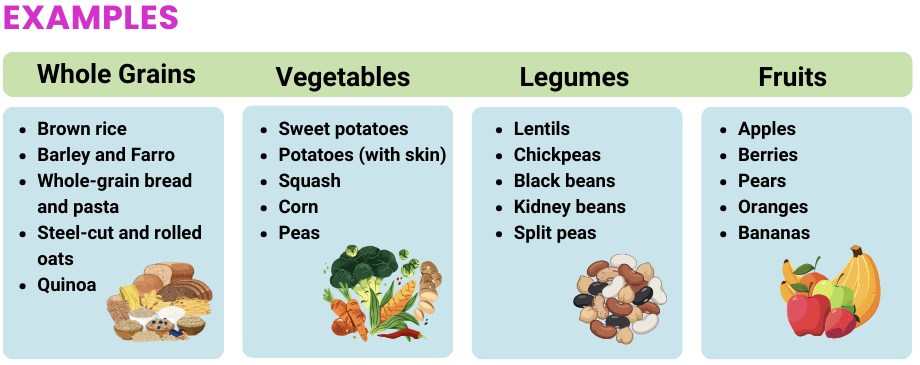
2. Complex carbohydrates
These are foods that digest more slowly, providing a steady release of glucose, and longer-lasting energy, which many cells rely on for energy. They also help avoid rapid spikes and drops in sugar.

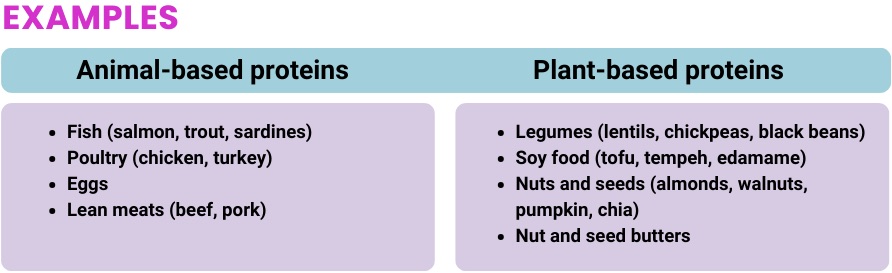
3. High-quality proteins
Provide essential amino acids that supports muscle maintenance, tissue repair and immune function. Adequate protein intake is important for preserving strength, especially for individuals with muscle involvement.

4. Healthy fats

Fats provide a concentrated source of energy and support the absorption of fat-soluble vitamins. The ability to use fat for energy varies by mitochondrial diagnosis, so individual guidance from a healthcare provider is important.

Not all individuals with mitochondrial disease can use fats efficiently and recommendations may differ depending on diagnosis and symptoms.

Because the body relies on multiple fuels and interconnected energy-producing pathways to generate ATP, maintaining a balanced intake of carbohydrates, proteins and fats is especially important in mitochondrial disease. When one or more of these pathways is less efficient, the body benefits from having flexible access to different sources.

For this reason, highly restrictive diets are generally discouraged unless they are medically indicated and supervised by a healthcare professional. Limiting entire food groups may increase the risk of nutrient deficiencies and can place additional strain on already challenged energy systems, potentially worsening fatigue and other symptoms.

The Role of Nutrition in Mitochondrial Disease

Nutrition refers to the process of taking in food and fluids to provide the body with energy, support growth, and repair and maintain overall health. Nutriton provides the raw materials mitochondria need to produce energy.

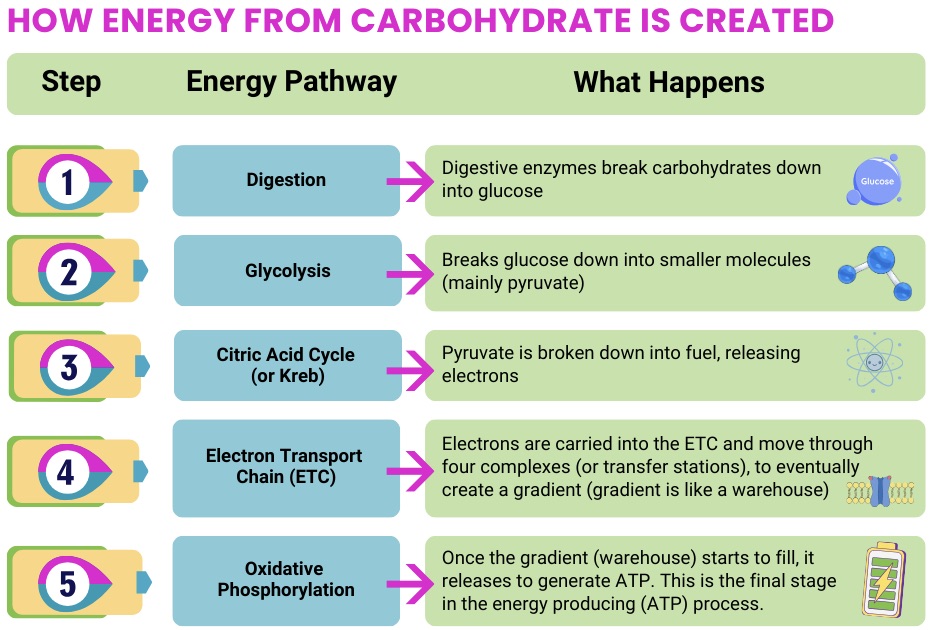
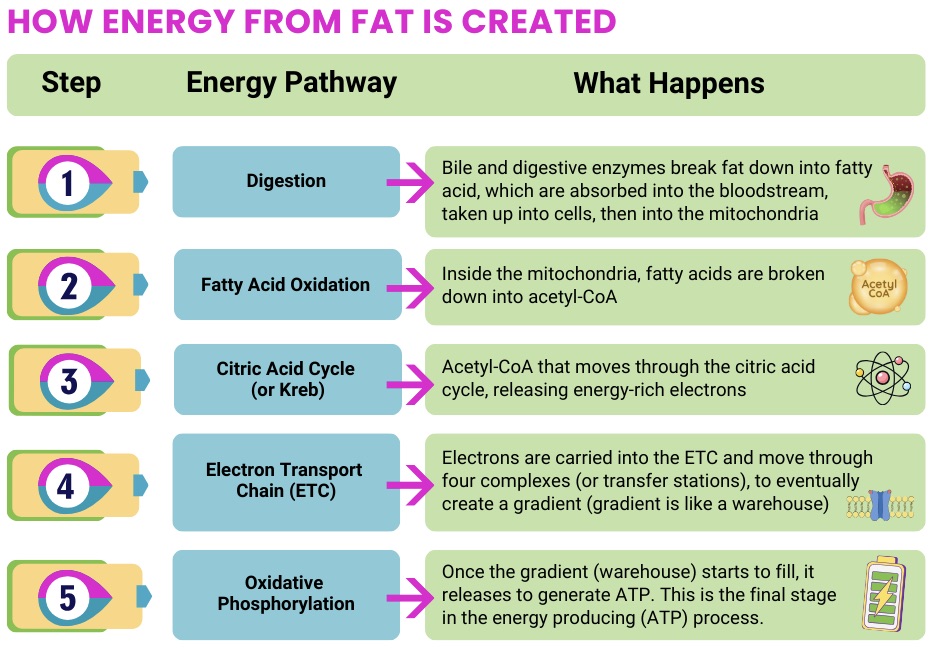
When we eat carbohydrates, they are broken down by digestive enzymes into glucose, fats are broken down by bile from the liver and digestive enzymes into fatty acids, and the protein we eat are broken down by digestive enzymes into amino acids.

Glucose, fatty acids and amino acids (smaller building blocks) are absorbed into the bloodstream and then taken up by muscle, brain and nerve, heart, and liver cells among others.

Inside the cells, mitochondria act as energy factories, using these fuel sources to produce ATP (adenosine triphosphate), the body’s main source of energy.

Energy problems can arise for a number of reasons in mitochondrial disease. Some disorders affect different energy-producing pathways, depending on the underlying genetic cause. Some individuals have difficulty using carbohydrates efficiently, others may struggle to use fats for energy, and some may be affected by multiple pathways.

Understanding which energy pathways are impacted can help explain why certain nutrition strategies are recommended for specific mitochondrial disorders.

Carbohydrate-Based Energy Pathways

What happens: Glucose is processed and ultimately used by mitochondria to create ATP

When this pathway is impaired:

  • The body has difficulty using glucose efficiently for energy, which can lead to energy drops and make the body more reliant on other energy pathways to produce energy.

Fat-Based Energy Pathways

What happens: Fatty acids are transported into mitochondria and broken down to create ATP

When this pathway is impaired:

  • There’s difficulty using fatty acids as a fuel source, which increases reliance on carbohydrates as a backup. During times illness, fasting or missed meals, the body is more likely to run out of usable energy.

* Oxidative Phosphorylation is the pathway impaired in fatty acid oxidation disorders (FAOD)

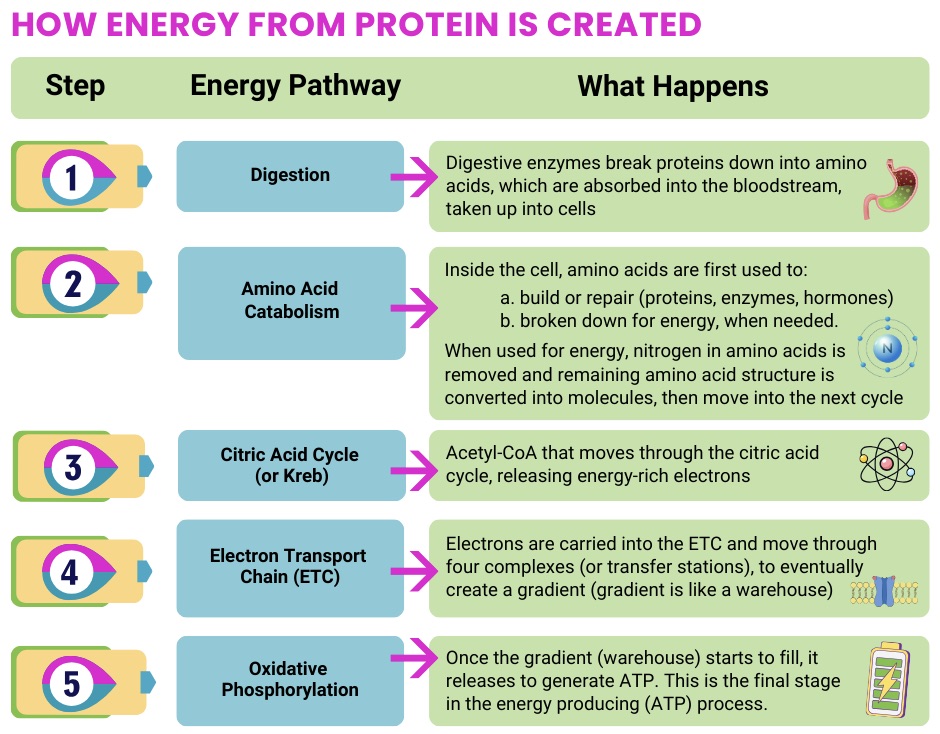
Protein-Based Energy Pathways

What happens: Some amino acids can be used to support energy production, when needed

When this pathway is impaired:

  • The body has more difficulty using amino acids for backup energy, which can increase fatigue and place extra strain or workload on other energy systems to compensate.

* Protein (amino acid) is not the body’s preferred fuel source because it’s more complex to breakdown, creating more metabolic stress or making cells in the body work harder to create needed energy.

In mitochondrial disease, any of the above energy-producing pathways may be inefficient or impaired. As a result, individuals may experience fatigue, muscle weakness, exercise intolerance, gastrointestinal symptoms, and difficulties maintaining weight or energy balance.

Thoughtful nutrition strategies can help:

  • Support more stable energy production
  • Reduce metabolic stress
  • Prevent nutrient deficiencies
  • Manage symptoms such as fatigue, nausea, and muscle pain

While nutrition is not a cure for mitochondrial disease, it can be a key component of comprehensive care.

Dr. Carlos T. Moraes

Launching a New Era in Mitochondrial Gene Editing

From his early days studying science to decades of dedicated research in mitochondrial DNA and gene therapy, Dr. Carlos T. Moraes has made an indelible mark in his field.

After studying biomedicine and molecular biology in São Paulo, Brazil, where he was born and raised, a young Carlos jumped at an opportunity to connect with an esteemed neurologist, an expert in neuromuscular diseases including mitochondrial disease, in New York. Shortly after arriving and completing a stint of training with the neurologist, he decided to pursue a PhD at New York City’s Columbia University.

“This was back in the late ’80s and early ’90s, and it was a pretty exciting time,” says Dr. Moraes. “Mutations in mitochondrial DNA (mtDNA) were just being reported for the first time. The neurologist I was studying under (Dr. Salvatore DiMauro) had many muscle biopsies that we could analyze, and one of the first things we did was correlate certain mutations with certain disease phenotypes. One paper we published early on was about how large deletions in mtDNA were almost always found in patients who have Kearns-Sayre syndrome, a rare neuromuscular disorder.”

As more mutations were reported, the field of mitochondrial genetics exploded. Dr. Moraes completed his studies in New York and took a research facility position at the University of Miami in 1994, where he remains a prominent professor in the Department of Neurology at the Miller School of Medicine. “I continued to study mtDNA problems, not only in disease but also in aging,” he says, “with mtDNA always being at the core of it.”

Sometimes happenstance brings about the most meaningful paths. “I started working on mitochondrial diseases by pure chance, but the more I worked on it, the more I fell in love with it,” says Dr. Moraes. “The mitochondrion is like a battery inside the cell, and it has its own DNA. It’s the only organelle besides the nucleus that does. It’s a fascinating system, and so I’ve devoted my career to it.”

Dr. Moraes was also driven by a desire to help patients living with mitochondrial disease. “I’m not an MD, but very early on I was touched by the lack of treatments these patients had,” he says. “That was extra motivation to work more and more toward therapy.”

Continuing his research, Dr. Moraes and his colleagues found that a specific genetic mutation, usually responsible for mitochondrial encephalomyopathy with lactic acidosis and stroke-like episodes (MELAS), also caused a variety of manifestations. “This mutation is one of the most common mtDNA mutations in the patient population,” he says. “In 1993, we published research showing that patients with this mutation could have many different types of diseases and many different symptoms, and that these symptoms clustered within families, suggesting that nuclear DNA plays a role in modifying how the mtDNA mutation shows up.”

Building on this research, Dr. Moraes conducted an evolutionary compatibility experiment. “We took mtDNA from different types of primates and put it into cells with human nuclear DNA to see if they could produce energy,” he says. “The only mtDNA that could coexist with human nuclei was from chimpanzees and gorillas.” Even an orangutan’s mtDNA wouldn’t work. “They co-evolved with enough difference that they cannot work together,” explains Dr. Moraes. The experiment showed how closely mtDNA and nuclear DNA must work together, and how that relationship was shaped by millions of years of evolution.

In the last two decades, Dr. Moraes’ research has focused more and more on gene therapy and on pioneering mtDNA gene editing techniques. “One thing I’m known for is using enzymes that cut mtDNA as a form of therapy,” he says. “In the lab, we use these enzymes called restriction enzymes. They recognize a short sequence in the mtDNA and cut it. They’re very specific. They cut only on this sequence. This was in the early 2000s.”

Further research and genetic engineering demonstrated that when mutant mtDNA was targeted and cut, the remaining healthy mtDNA would take over. “We showed that once we cut the mtDNA, it’s very quickly degraded, and whatever’s left replicates to make up for the loss,” says Dr. Moraes.

The restriction enzymes were limited, however. While they were capable of cutting out mutant mtDNA, “there aren’t many disease mutations that create restriction sites for these enzymes,” says Dr. Moraes. “We were always thinking, if only there was an enzyme that didn’t only recognize such small sequences, but also bigger ones. If only there was a way we could control this enzyme.” They needed something programmable.

“Our dreams came true around 2010, when gene editing enzymes were first described,” says Dr. Moraes. “They could be engineered to recognize long, specific sequences, and more importantly, you could design what kind of sequence you wanted them to recognize.”

These new protein-based gene editors changed the game, allowing scientists to target almost any DNA sequence. “That was a major breakthrough that allowed us to eliminate mutant mtDNA in a very specific way,” says Dr. Moraes. “And again, as the mutant mtDNA was cut, the normal mtDNA that was left would replicate to make up for the lack of mtDNA quantity. This would change the cell, causing it to behave better and to produce more energy.”

Next, Dr. Moraes and his team started collaborating with Precision BioSciences, a company that had developed novel gene editing enzymes called ARCUS and mitoARCUS. These enzymes were smaller and easier to deliver to the cell. “We continue to collaborate to this day,” says Dr. Moraes.“They’re now trying to perform a clinical trial on mitoARCUS that’s specific to the mutation that’s usually associated with MELAS, but also associated with exercise intolerance and other symptoms like hearing loss, diabetes, and migraines.”

In 2020, researchers discovered mitochondrial base editors, which can change a single letter of mtDNA without cutting. “They’re called base editors because they edit the DNA,” says Dr. Moraes. “A base editor that works in the mtDNA was able to change a C to a T in the DNA code. It was very limited, but it was the first step. For the first time, we could change mtDNA without having to cut.”

Expanding on this research, Dr. Moraes and his lab used one of the base editors to rescue mitochondrial function in a mouse model. “We found a way to base edit a gene with a pathogenic mutation so that it became stable, improving the function of the mitochondrial energy production in the mouse model,” he says.
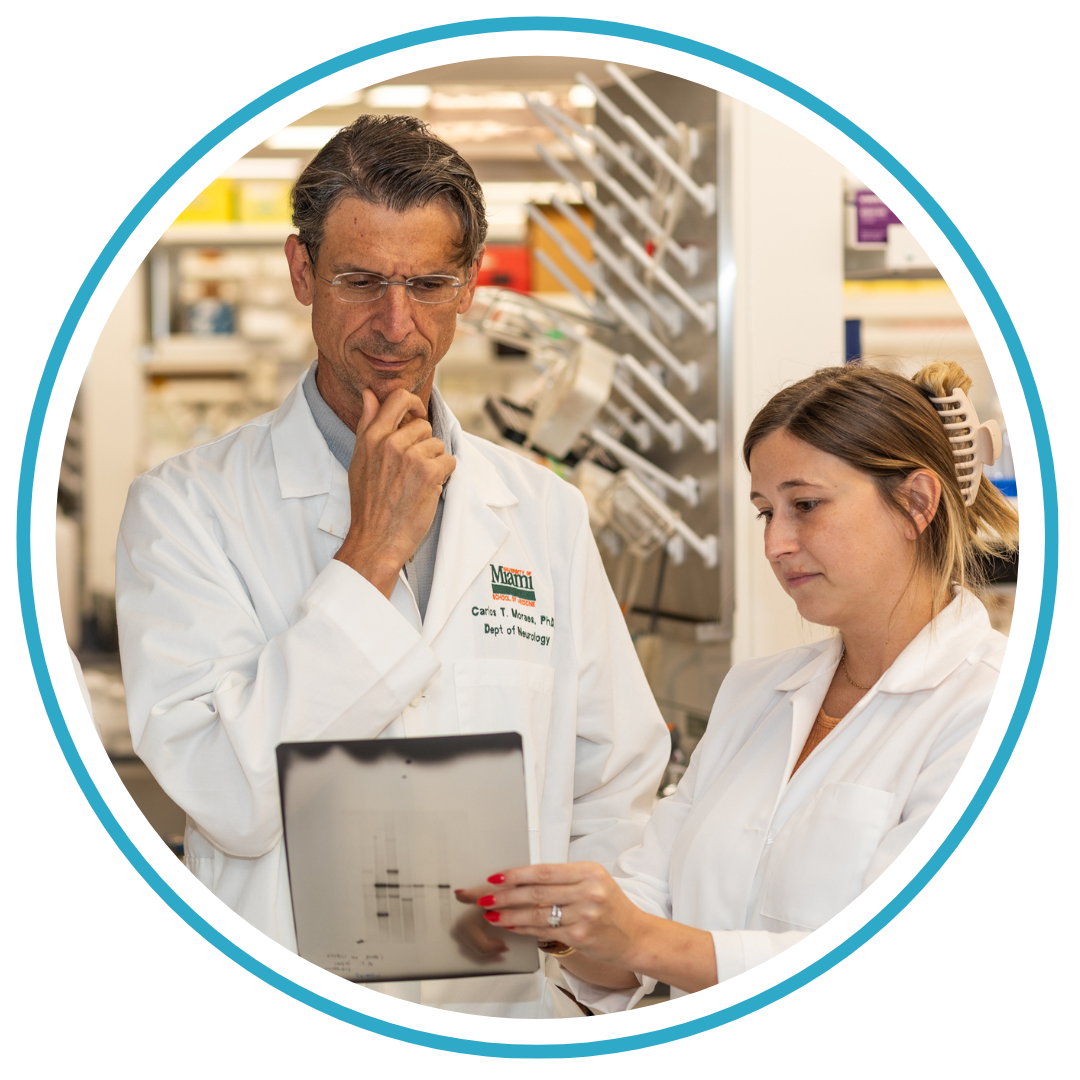
Those familiar with the gene editing technology CRISPR may wonder why it’s not part of the story here. “I’m always asked why we can’t use CRISPR to cut or edit mtDNA,” says Dr. Moraes. “CRISPR needs a guide RNA, and we don’t know how to make RNA go to mitochondria, so it won’t work.”

While both nuclear gene therapy and mtDNA editing have advanced greatly, Dr. Moraes notes that the main limitation is the difficulty of getting the gene editing tools into the cells that need them. Progress continues to be made; however,  scientists push forward with new strategies to overcome these delivery challenges.

“If you reduce mutant mtDNA below a certain threshold that makes a patient sick, you’re essentially curing the disease,” says Dr. Moraes. “So this is potentially curative.”

He also notes the exciting potential of a one-and-done solution. “If you reduce this mutant mtDNA enough, probably you don’t have to do it again,” he says. This is in contrast to nuclear gene therapies, as are used for Duchenne muscular dystrophy, for example, where the treatment effect can diminish over time and repeat dosing is challenging.

Dr. Moraes loves working with students, trainees, and technicians, describing his work as exciting and rewarding. “I love everything about it,” he says. “And it goes without saying that if we can find something that can help patients, that’s at the top of the list of the rewards we’re looking for.”

The motivation to continue developing these therapies and finding treatments or a cure is strong. Dr. Moraes encourages the next generations of researchers to have a thick skin and to be tenacious. “We have to keep pushing,” he says. “There are lots of failures in this field, but a failure isn’t a total failure if you understand why the experiment didn’t work. It always teaches you something.”



With the field of gene therapy exploding, Dr. Moraes is extremely optimistic about the future, mentioning that he expects that a major gene therapy breakthrough is “just around the corner.”

He’s pleased to share his research with the MitoCommunity as well. “It’s very important for science not to live in a silo, isolated from the community that it’s trying to help,” he says. “The MitoCommunity needs information, and to help us keep doing our work. Research is a very expensive business, unfortunately, and it cannot be done without funding. We need patients, families, and scientists working together to keep the field moving forward.”

Therapies for Mitochondrial Disease – Past, Present, and Future

Science moves fastest when everyone can take part. That’s why MitoCanada is committed to empowering our community with knowledge. By translating cutting-edge mitochondrial research into clear, easy-to-understand summaries, we aim to nurture curiosity, strengthen understanding, and build confidence in the science driving hope and progress.

Lay Summary: Therapies for Mitochondrial Disease – Past, Present, and Future

Authors:

Ball, M., van Bergen, N.J., Compton, A.G., Thorburn, D.R., Rahman, S., & Christodoulou, J. (2025). Therapies for Mitochondrial Disease: Past, Present, and Future. Journal of Inherited Metabolic Disease, 48:e70065.

What’s this research about?

This review examines how treatments for mitochondrial disease (MD) have evolved over the past six decades, and where the field is heading next. The authors trace the journey from the first clinical description of mitochondrial dysfunction in the early 1960s to today’s rapidly expanding era of genetic discovery and targeted therapeutics. 

The review explores both the current management strategies for specific mitochondrial diseases (like CoQ10, thiamine, biotin, and exercise) and the emerging therapeutic frontiers, including dietary approaches, gene and RNA-based therapies, small molecule treatments, and mitochondrial-targeted peptides. It also critically discusses why translating scientific breakthroughs into effective clinical treatments remains challenging, a reflection of the biological complexity and variability of mitochondrial disorders.

Why is this important?

For decades, families affected by mitochondrial disease have faced a difficult reality: although diagnosis has improved, effective treatments remain limited. This review highlights the steady progress being made to change that. The field is shifting from supportive care toward precision medicine, treatments designed to correct the root causes of mitochondrial dysfunction rather than just relieve symptoms.

The authors also discuss why turning scientific discoveries into real treatments is so challenging. Mitochondrial diseases are rare, caused by many different genetic changes, and can look very different from one person to another. It’s also hard to get treatments to reach energy-hungry organs like the brain and heart, where they’re needed most. Researchers are still working to find reliable ways to measure whether a therapy is truly helping, both through biomarkers (measurable signs in the body that show how the disease is behaving) and outcome measures (tests or observations that show whether a treatment is improving health or quality of life).

Even with these challenges, the review makes it clear that mitochondrial medicine is moving forward faster than ever, powered by international teamwork, strong patient involvement, and innovative clinical trial design.

How did they study this?

Instead of focusing on one experiment, the authors brought together decades of research to paint a clear picture of where mitochondrial medicine stands today. They reviewed scientific papers, clinical trial results, and case studies that explored everything from well-known vitamin and cofactor therapies to the latest gene-and cell-based treatments.

To make sense of so much information, they grouped their findings into themes, ranging from long-used “mito-cocktail” supplements to exciting new areas such as boosting NAD+ levels, regulating cell-energy pathways (like mTOR), and developing gene therapies. By looking closely at both the successes and the setbacks, the authors highlight which treatments are showing real promise, which still need more study, and what lessons can guide future breakthroughs.

What did they find?

1. Current therapies

Right now, there’s no single cure for mitochondrial disease, so most treatments focus on easing symptoms, supporting energy production, and improving quality of life. However, for a few specific mitochondrial conditions, where doctors understand the exact chemical pathway that’s disrupted, certain vitamins and cofactors can make a measurable difference.

  • Coenzyme Q10 (CoQ10): This molecule helps move electrons inside mitochondria, a key step in producing energy. In people with primary CoQ10 deficiency, whose bodies don’t make enough CoQ10, taking supplements can improve kidney and nerve function. Results vary, though, since CoQ10 doesn’t always reach the brain efficiently.
  • Thiamine (Vitamin B1): Helps enzymes that convert food into energy. When taken early, it can improve neurological symptoms in thiamine-responsive basal ganglia disease and some forms of pyruvate dehydrogenase complex deficiency
  • Biotin (Vitamin B7): Needed for several enzymes that process fats and proteins. Lifelong biotin supplementation can prevent or reverse neurological and skin symptoms in people with biotinidase deficiency.
  • Riboflavin (Vitamin B2): Supports key mitochondrial enzymes. High-dose riboflavin has helped many people with ACAD9 deficiency and multiple acyl-CoA dehydrogenase deficiency regain strength and reduce fatigue..

Many people with mitochondrial disease also take nutritional supplements, often referred to as a “mitochondrial cocktail.” While the scientific evidence for their benefit is mixed, these supplements are generally safe and sometimes help with energy and stamina.

Exercise therapy is another proven, non-drug approach. Gentle, progressive endurance or resistance training, when done under supervision, can stimulate the growth of new mitochondria, improve muscle strength, and enhance daily functioning and well-being.


2.
Emerging and experimental therapies

Researchers around the world are testing a variety of new treatments aimed at fixing or compensating for mitochondrial malfunction. Here are some of the most promising areas of discovery:

  • Dietary approaches: High-fat, low-carbohydrate ketogenic diets and specialized fats such as triheptanoin may give cells an alternate energy source, helping reduce seizures or muscle weakness in certain conditions. Because these diets can sometimes cause side effects, they must be used with medical guidance.
  • Stimulating mitochondrial growth: Some drugs, like bezafibrate, REN001, and omaveloxolone try to “switch on” the body’s own pathways that make and maintain mitochondria. Early studies show improvements in some cellular markers and mild symptom relief, though large-scale benefits have yet to be proven.
  • Restoring NAD⁺ balance: NAD⁺ is a molecule essential for energy production, and levels can drop in mitochondrial disease. Supplements such as
     nicotinamide riboside, nicotinamide mononucleotide, and KL1333 aim to restore these levels. Early trials suggest they may boost energy metabolism and reduce fatigue.
  • Antioxidant therapies: Because damaged mitochondria produce harmful reactive oxygen species (ROS), antioxidants can help limit that damage. Idebenone, vatiquinone (EPI-743), and sonlicromanol (KH176) are being tested for their ability to protect cells and support energy production. Idebenone has already shown benefit for vision in some people with Leber hereditary optic neuropathy.
  • Supporting blood flow and oxygen delivery: In certain mitochondrial syndromes like MELAS, supplements such as L-arginine and L-citrulline
     may help widen blood vessels, improving circulation and reducing the risk of “stroke-like” episodes.
  • Modulating energy-sensing pathways: Drugs that act on the mTOR pathway (like rapamycin and everolimus) are showing benefits in laboratory models by reducing inflammation and improving energy balance.
  • Protecting mitochondrial structure: Elamipretide (SS-31) helps stabilize the membranes that hold mitochondria together, protecting them from damage. Some clinical studies show better muscle function and less fatigue, while others found only modest changes, highlighting the complexity of these conditions.
  • Nucleoside replacement: In a few rare forms of mitochondrial DNA depletion (such as TK2 deficiency), therapy with building-block molecules called deoxynucleosides has helped restore mitochondrial DNA and improve survival.
  • Gene Therapies: Researchers are also exploring gene therapies that target the faulty gene itself. The majory of these approaches are experimental and are still early in development

In total, more than 30 clinical trials around the world are now testing therapies like these. None are yet curative, but the variety and sophistication of approaches reflect remarkable momentum. The field is moving from managing symptoms to targeting the root causes of mitochondrial dysfunction, an extraordinary step forward for patients, families, and researchers alike.

What does this mean for mitochondrial disease research?

This review marks an exciting turning point for mitochondrial medicine. For many years, research focused mainly on diagnosing and describing how mitochondrial diseases work. Now, the field is moving beyond understanding the problem, scientists are testing real treatments designed to fix it.

The authors emphasize that the road ahead still requires close teamwork across the globe. Researchers need better tools to study these diseases, including reliable biomarkers that show how the body responds to treatment, and agreed-upon outcome measures that make it easier to compare results between studies. Creating stronger animal models will also help scientists test therapies safely before they reach patients.

Just as important, progress will depend on collaboration, not only between scientists and clinicians, but also with patients, families, and advocacy organizations, like MitoCanada. Well-organized patient registries and international trial networks are key to making rare disease research faster, more efficient, and more inclusive. By working together, the global mito community is transforming years of discovery into a future filled with real treatment possibilities

The research in simple terms

This paper brings together everything scientists currently know about treating mitochondrial disease, from long-used vitamins and dietary strategies to the newest molecular and gene-based therapies being tested in clinics today. It highlights just how far the field has come since the first mitochondrial disorders were described in the 1960s.

While there’s still no single cure, the pace of progress is accelerating. Researchers are learning from both successes and setbacks, building on decades of discovery to design smarter, more targeted therapies. Just as importantly, the paper reflects the growing collaboration among scientists, clinicians, patients, and families, all working together to transform complex research into meaningful, real-world care.

At its heart, this is a story of perseverance and partnership: of a community united by determination to change what’s possible for people living with mitochondrial disease.

Why this matters to the MitoCommunity?

For those living with mitochondrial disease, and for everyone who supports them, this research represents hope backed by evidence. It shows that the global mito community is moving forward together: researchers exploring new frontiers, clinicians testing innovative treatments, and patient advocates ensuring that lived experiences shape every step of progress.

Each study like this adds another piece to the puzzle, helping to build a clearer picture of how to repair, protect, and strengthen the body’s energy-producing cells. These discoveries don’t just aim to extend life, they strive to improve how people live day to day, enhancing energy, independence, and connection.

The paper also reminds us how vital community participation is. Joining registries, contributing to research, and sharing personal stories all help guide future priorities and accelerate breakthroughs. And for donors and partners, it underscores a powerful truth: every investment in mitochondrial research moves us closer to a world where all lives are powered by healthy mitochondria.

Acknowledgment

The authors’ work reflects the incredible progress being made through collaboration across continents, disciplines, and generations of researchers. Their dedication not only advances the science of mitochondrial medicine but also fuels hope for families around the world. Every study like this brings us one step closer to a future where mitochondrial disease can be better understood, treated, and ultimately prevented.

This MitoInsights was reviewed and approved by a member of or members of this publications authorship.

Explore the orginial publication or download our layperson article today:

Do you have a question about this article? If so, we’d like to hear from you. Please send us an email!

15 Stories for 15 Years: Meet Rose and Richelle

As we celebrate 15 years of MitoCanada, we’re sharing the stories of those who make this community so special. Today, we’re sharing the story of Richelle Love and Rose Serpico from Calgary, Alberta.

Richelle and Rose are the powerhouse duo behind Tri-It Multisport, Canada’s most comprehensive triathlon store, and RnR Premier Events, a leading race and event company known for organizing epic running and multisport events, plant-based races, and next-level experiences that bring people together. They’ve been nationwide leaders in the triathlon, health, and wellness community for nearly two decades, and their connection to MitoCanada runs deep.

For Richelle, it was Rose who first opened the door. “It’s really Rose who got me involved with MitoCanada and her vision to start the spinathon, and then a few years later turn it into the MitoCanada Spinathon,” she shares. “Rose and Blaine Penny (MitoCanada’s co-founder) have a very close relationship and she really turned this into something incredible!”

Richelle immediately felt connected to the cause. “Having known the Penny family, I jumped at the opportunity,” she says. “It felt incredibly important to support families like the Pennys and to help make a meaningful difference in the lives of those affected by mitochondrial disease. That connection and purpose are what drew me in, and what continues to inspire me today.”

Over the years, Richelle has supported MitoCanada in countless ways: delivering the MitoCanada Spinathon as an organizer, coach, and volunteer, running an ultra-marathon to raise funds and awareness, volunteering at several other MitoCanada events, and championing the cause through Tri-It Multisport, as the company has proudly contributed through sponsorship, community engagement, and ongoing event support. “Together, we’ve been able to help amplify MitoCanada’s mission and bring people together in a powerful way,” she says. “Being part of MitoCanada means being part of something bigger: empowering people to move their bodies, share their stories, and create meaningful change. Seeing participants knowing they’re making a difference and hearing families express what that support means to them is incredibly inspiring. It’s those moments that are full of connection and purpose that make putting on this event truly rewarding.”

For Richelle, the MitoCommunity is at the heart of it all. “This is truly one of the most inspiring and uplifting communities I’ve ever been part of,” she says. “The moment you get involved, you’re welcomed with open arms. You’re not just supporting a cause, you become part of the MitoFamily.”

For Rose, the connection began with purpose. “When we opened our retail store and launched our event business almost 20 years ago, we knew that giving back mattered just as much as business growth. We wanted to create impact locally and nationally,” she says.

Meeting Blaine Penny changed everything. “It was immediately clear that he shared the same purpose-driven vision,” says Rose. “Once we saw how dedicated and passionate the small group behind MitoCanada was, and how tirelessly they were working to build momentum and raise awareness, we knew we wanted to be part of that journey. It felt like the right place to put our energy, and it has truly been amazing.”

Over the last 15 years, Rose and Richelle have supported MitoCanada through fundraising events, volunteer work, and countless hours poured into the MitoCanada Spinathon and other initiatives. “Any time we organized a fundraising event, we set a goal, and if we fell short, we personally contributed to ensure we reached it,” Rose says. “We’ve always operated as volunteers, and 100% of the proceeds have gone directly back to MitoCanada.”

For Rose, the most rewarding part has been the people. “As a mother and grandmother, I’m continually humbled by the strength, love, and resilience of the families affected by mitochondrial disease,” she says. “They show up even in the hardest moments and continue to give back, support one another, and raise awareness. Their courage and heart are inspiring, and being part of this community has given me far more than I could ever give in return.”

Rose’s message to the MitoCommunity is simple and powerful: “Thank you for leading with strength, compassion, and unwavering commitment,” she says. “You continue to show up, share your stories, build connections, and support one another. That effort creates real, lasting change. We are committed to continuing this work alongside you — helping raise awareness, share your message, and support the ongoing research and advocacy needed.”

We’re grateful to Richelle and Rose for inspiring our MitoCommunity through their passion, leadership, and unwavering dedication to MitoCanada.

Join us in fuelling the next 15 years. Every donation helps us continue this vital work and create a future where no one faces mito alone.

Be part of the journey. Donate today:

Go to Top