

Turning Personal Loss into Awareness for PPA2 Deficiency 
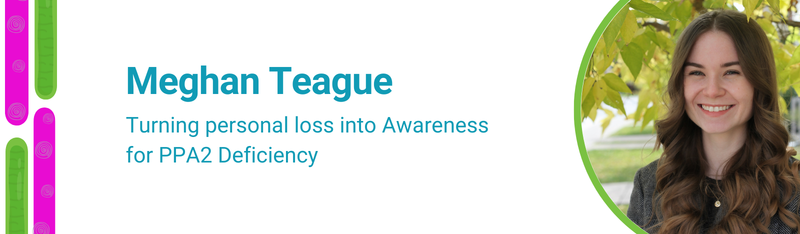
Meghan Teague is a creative young woman with a close-knit family and a dynamic career. The 27-year-old, who lives in Oakville, Ont., works in event production as an audio-visual technician. “My job takes me all over Canada,” she says. “I get to work with all sorts of amazing people and in great locations.”
In her spare time, she enjoys being outdoors and all things creative. “I do a lot of hiking, biking, skiing, and running,” she says. “I also like to draw and paint, make my own clothes, and play piano and guitar.”
But behind her active lifestyle is a rare mitochondrial disease few people have heard of.
Growing up, the Teague family was close. Meghan and her three brothers (two older, one younger) were active kids, spending plenty of time together biking, playing 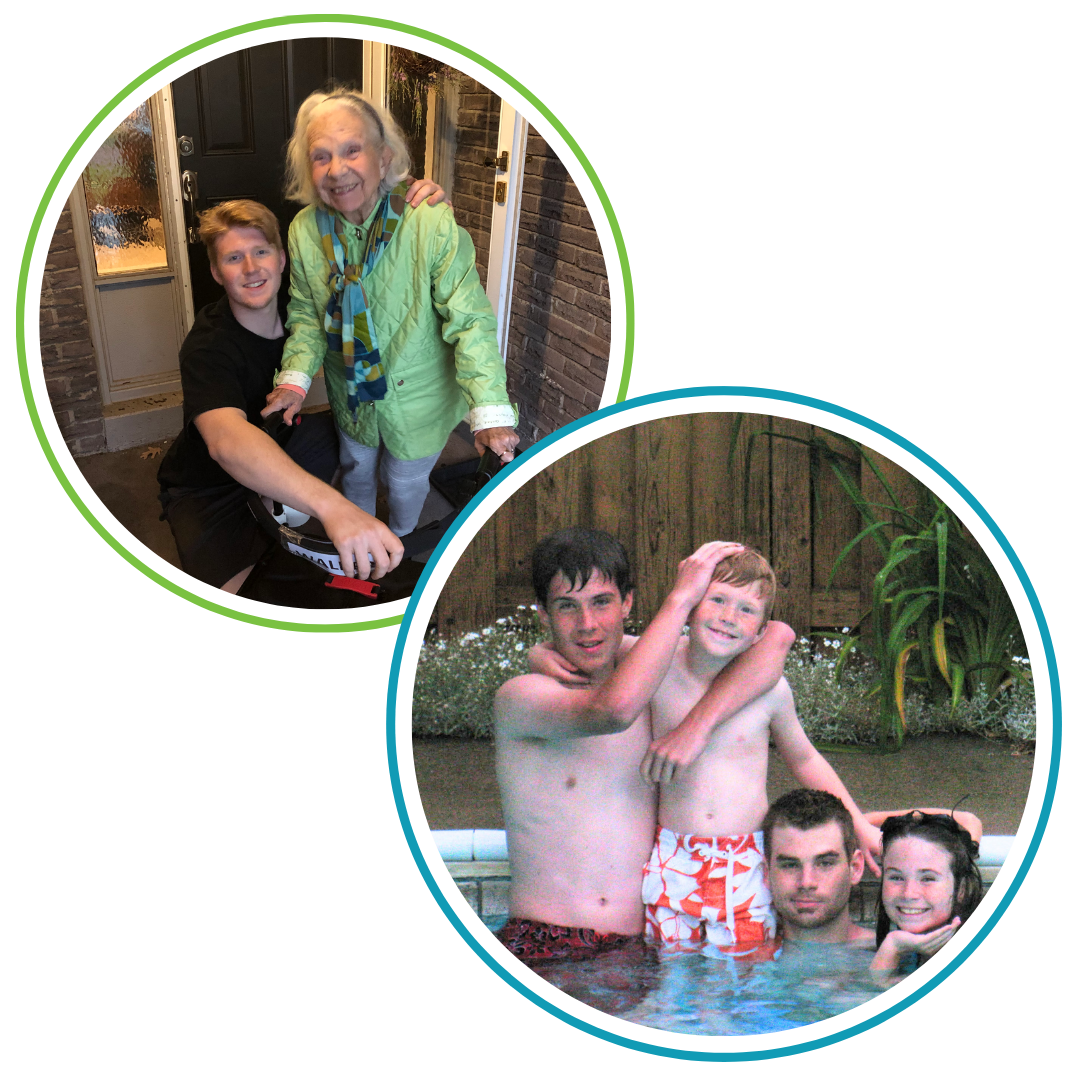 street hockey, and going to the park to play catch. “My siblings and I have always been really close,” says Meghan. “I would consider them my closest friends.”
From bike adventures with their dad to painting and playing the piano with their mom, the Teague children were supported in their athletic pursuits and encouraged in their creativity. But behind their idyllic upbringing, a medical mystery was brewing.
“Throughout childhood, my siblings and I had very negative reactions to medications and illnesses, from cough syrups and dental procedures to high fevers and viruses,” says Meghan. “We began to keep track of things ourselves, to pinpoint what caused us issues.”
At age six, after surgery for a broken arm, Meghan reacted badly to the anaesthetic and had trouble walking, sore muscles, chest pain, and vision issues for months. Doctors couldn’t figure out why. A few years later, one of her older brothers became seriously ill after consuming a small amount of alcohol. Doctors couldn’t explain the reaction, but Meghan’s mother suspected the incidents might be connected and urged her daughter to avoid alcohol as a precaution. Looking back now, Meghan believes her mother’s intuition may have saved her life.
In her second year of university, a new batch of mysterious symptoms appeared after she had experienced a viral illness and a concussion from falling off her bike: weakness, difficulty climbing the stairs, and chest and muscle pain that woke her up at night. Alarmed, Meghan sought medical advice but was told she had nothing to worry about. “After a few months I started to feel more like myself again, but I knew deep down that something wasn’t right,” she says.

Nearly a decade after her older brother’s incident, Meghan’s youngest brother Ben passed away at age 17 after consuming a small amount of alcohol. “It was devastating for our family,” says Meghan. “We were left with a piece of us missing.”
Medical professionals couldn’t find an explanation for his death. “We again had no answers as to why this was happening,” says Meghan.
After Ben’s death, their mother pushed for answers for years. Finally, after six years, doctors tested tissue from Ben and found genes consistent with PPA2 deficiency, a rare mitochondrial disease that affects how the body produces energy. “That’s when my other siblings and I were all genetically tested and found positive for PPA2 deficiency as well,” says Meghan. “Before that point, PPA2 wasn’t well-known in Canada, so our samples had to be sent to the U.S. to be tested. I was 26 years old when I was diagnosed, and it was 20 years after my first symptoms.”
PPA2 deficiency places individuals at increased risk of serious heart-related complications, including sudden-onset heart rhythm problems (arrhythmias) and weakening of the heart muscle (cardiomyopathy), particularly when the body is under stress. Muscle weakness and neurologic symptoms, such as seizures or developmental challenges, are also sometimes present. Triggers can include infections or viruses, fever, dehydration, intense physical stress, and alcohol consumption. “An accumulation of these triggers in PPA2 patients has been shown to cause sudden cardiac arrest,” says Meghan. 
Over the years, she and her brothers have figured out what works best for them when it comes to managing the disease. “We’ve found healing primarily through rest and lots of fluids,” says Meghan. They’ve also learned to avoid triggers, rest fully when they’re sick or injured, and undergo regular cardiac monitoring.
Alcohol has been one of the most difficult triggers to avoid. “Alcohol could be lethal for me, or at the very least cause permanent heart damage,” says Meghan. “And many medications contain alcohol. I’ve tried to explain this to doctors and pharmacists, but sometimes they’re not very understanding. The condition is so uncommon.”
Avoiding alcohol socially has also been a challenge. “Because of the culture around drinking, even going to events or restaurants can be risky for me,” says Meghan. “Many people have misunderstood me and tried to pressure me to drink.”
Living with PPA2 deficiency has meant confronting a stark new reality. “Being diagnosed with a condition that isn’t well-known has caused me a lot of anxiety,” says Meghan. “I hate feeling like my future is unknown and out of my control. The little information available about this condition is bleak, and the death rate for PPA2 deficiency is very high. It’s hard to stay positive about it all.”
As Meghan does her best to move forward carrying a new weight on her shoulders, she also makes sure to honour the past and her youngest brother’s memory. 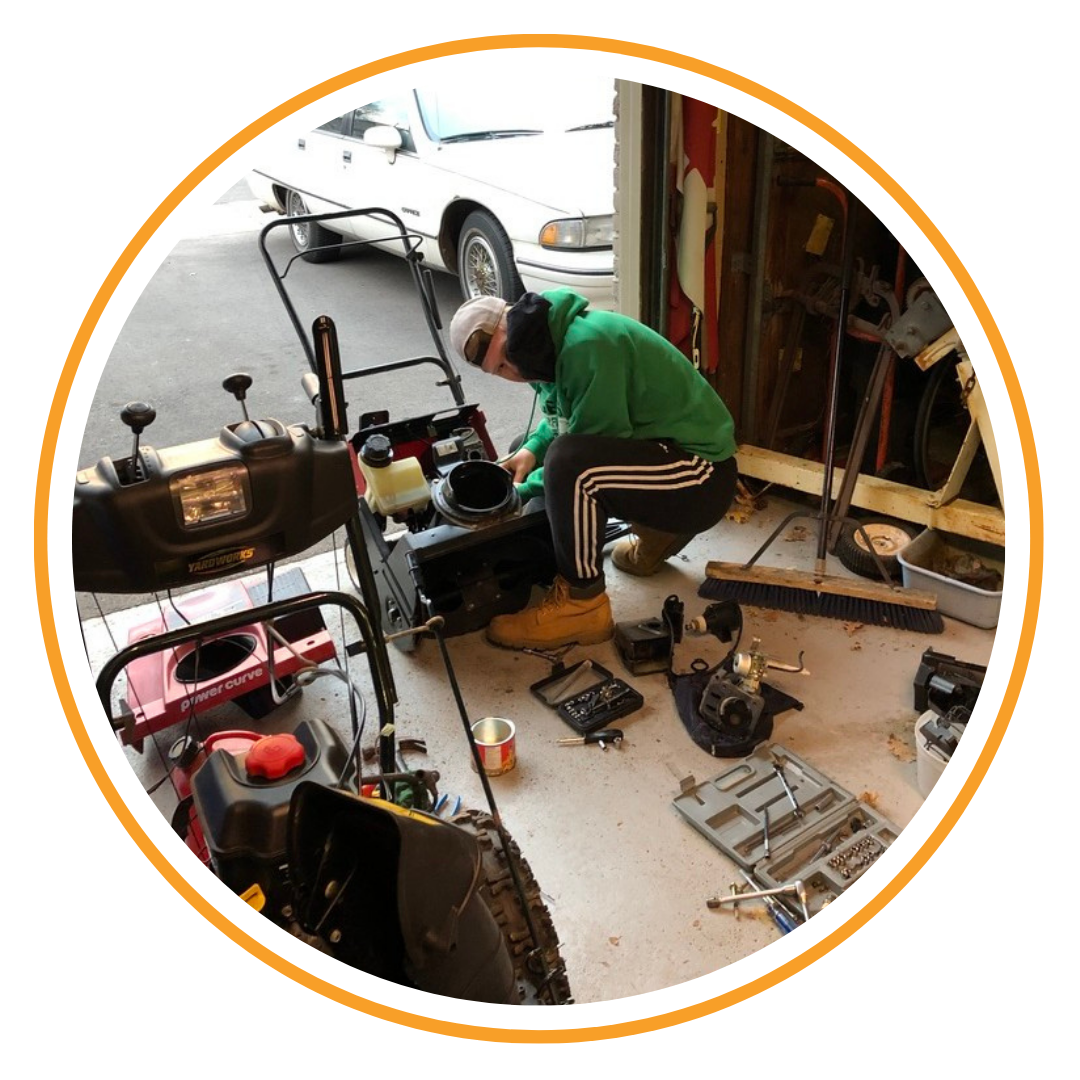
“My little brother was an amazing person and it hurts me to know that people can’t meet him now,” she says. “Ben had a huge heart and was kind to everyone he met. He went out of his way to make things easier for other people. That’s just the type of person he was. Whether it was helping our grandma with her physiotherapy exercises, helping our dad fix the family car, or helping me practise for my driving test, he was always there for the people he cared about.”
Meghan shares that Ben did well in school and was a skilled defenceman in hockey. “He was looking forward to university and dreamed of becoming an engineer,” she says. “At just 13, he started his own business, Bengines, doing small engine repairs. People would travel from all over to have him fix their lawnmower or snowblower, and everything he was doing was self-taught.”
His life was tragically cut short by a hidden disease that few people understood. “Ben had so much potential and it breaks my heart that he didn’t have the chance to fulfill his dreams,” says Meghan. “Nobody should have to lose their life over something like this.”
Meghan looks back at the years of mysterious health issues with no answers from a new perspective since her diagnosis. “I believe the MitoCommunity really needs  to be listened to and their symptoms seriously considered by medical professionals,” she says. “We don’t need to be made fun of by doctors for having symptoms that they don’t understand. We don’t need our symptoms to be downplayed or minimized. It shouldn’t take someone’s death to be taken seriously.”
She encourages others to advocate for themselves and to stand up if they know something’s wrong.
Meghan also advocates for better screening of PPA2 deficiency. “I hope one day we’ll have preconception screening for this condition,” she says. “It’s especially dangerous for infants and young children, and the heart damage sustained can affect them for the rest of their lives. Many families across the globe have already suffered the loss of multiple children and babies to this disease. Preconception screening could help better prepare families and healthcare professionals from the start.”
Meghan was finally diagnosed after two decades of symptoms, but by then it was too late for Ben. “I hope that telling my story might help another family out there that recognizes these symptoms in themselves,” she says. “Most people have never heard of PPA2 deficiency. More awareness of it may save someone like my little brother.”

