Yearly Archives: 2025

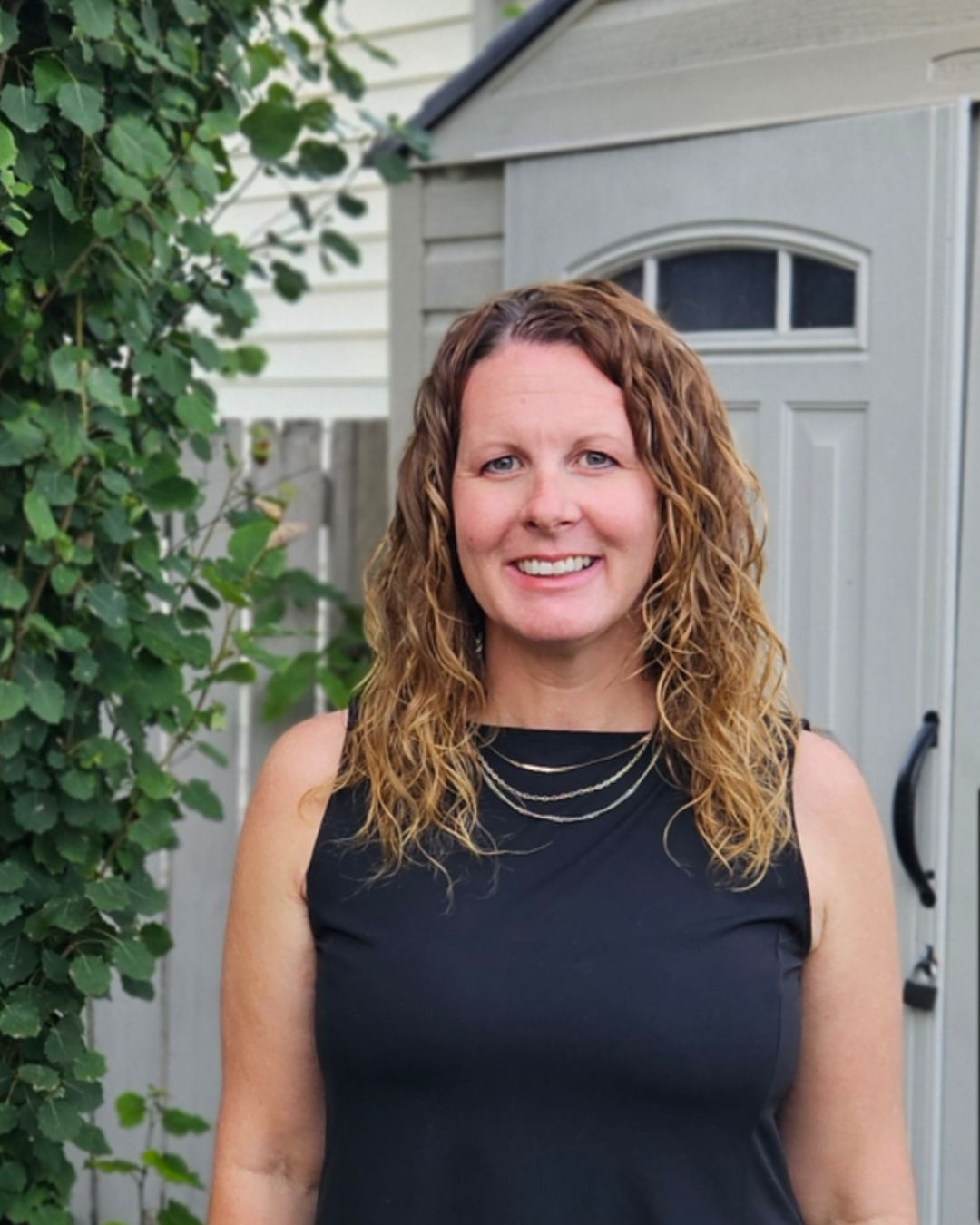
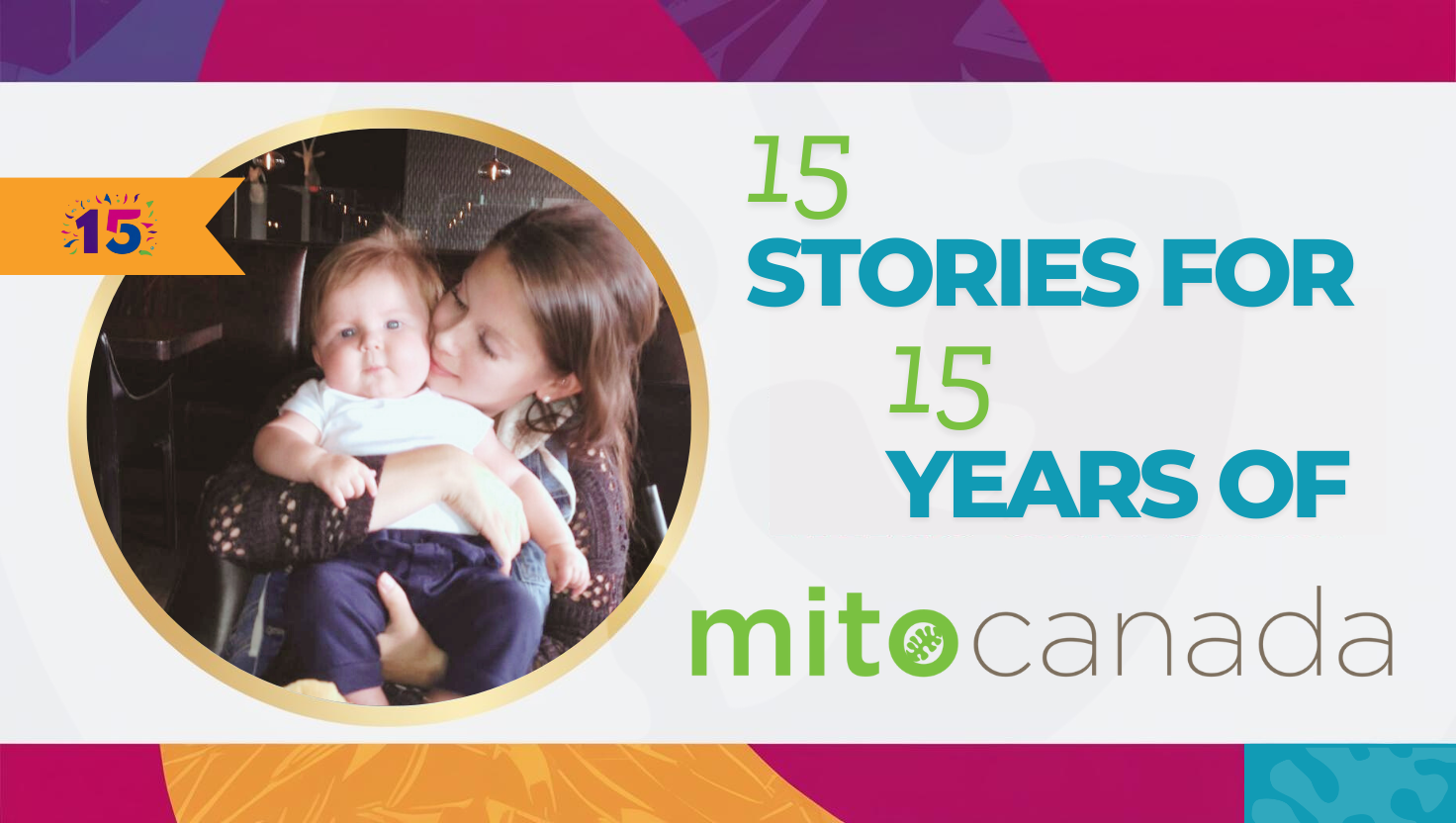
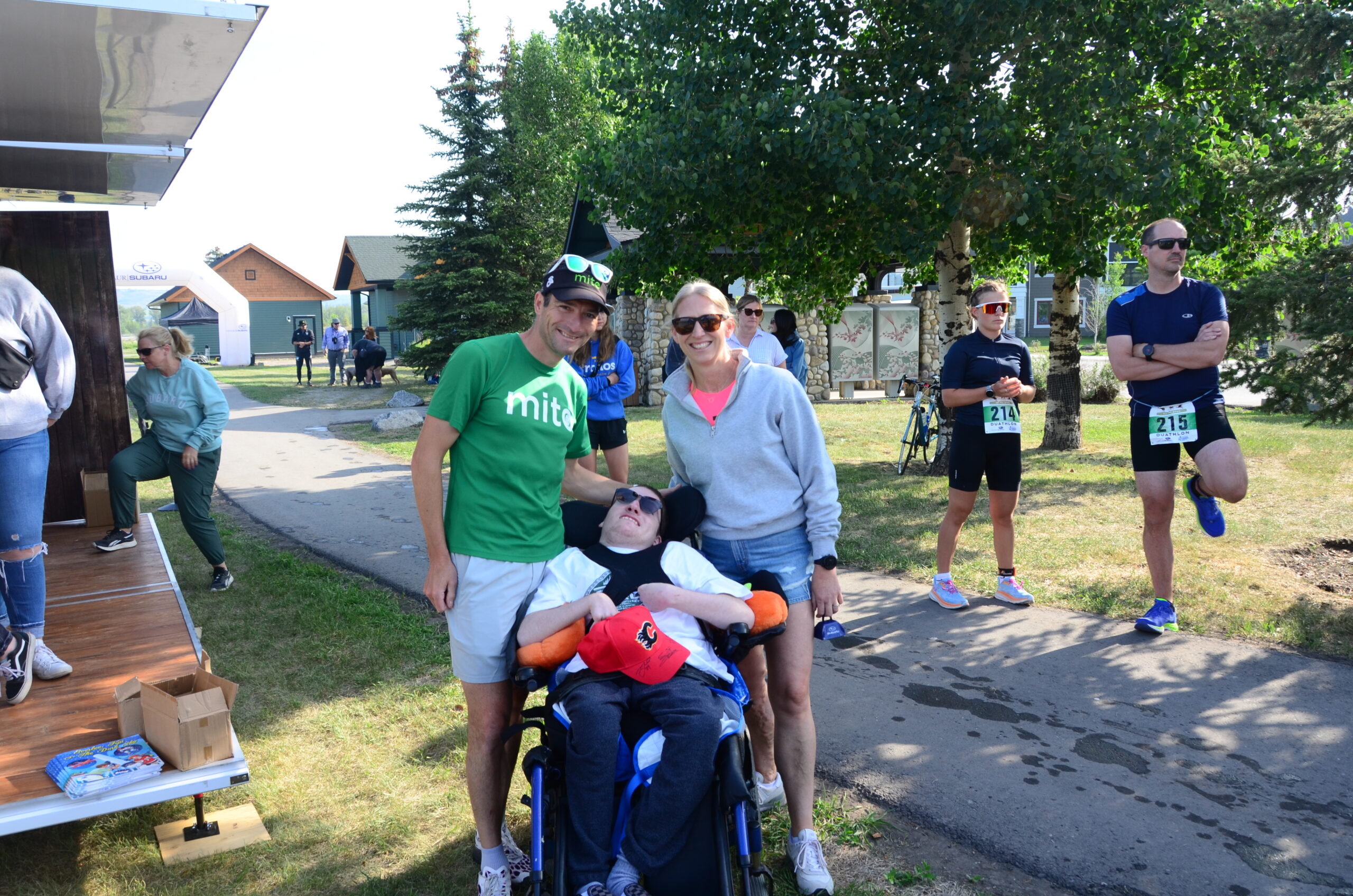
15 Stories for 15 Years: Meet Cheryl Lowery

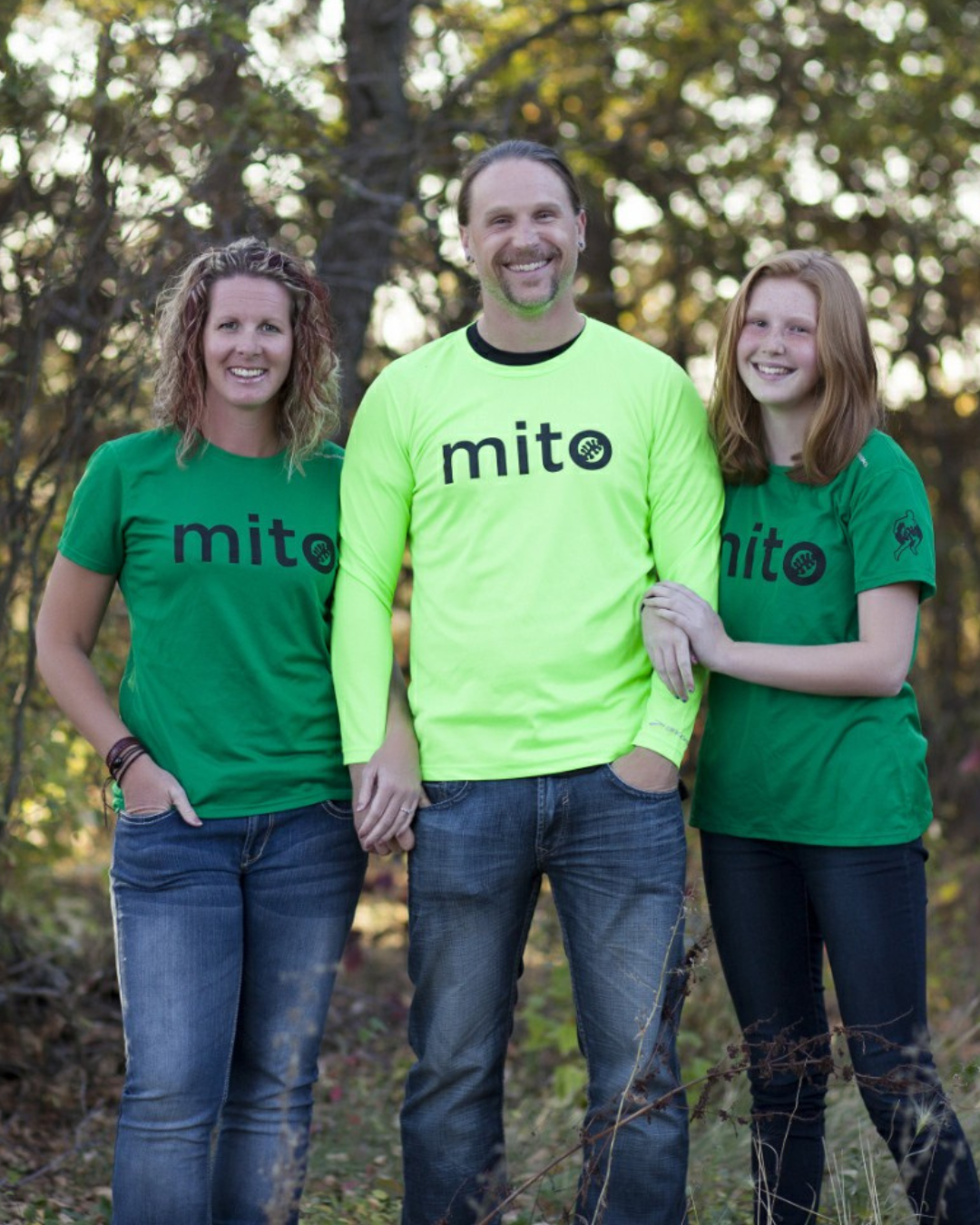
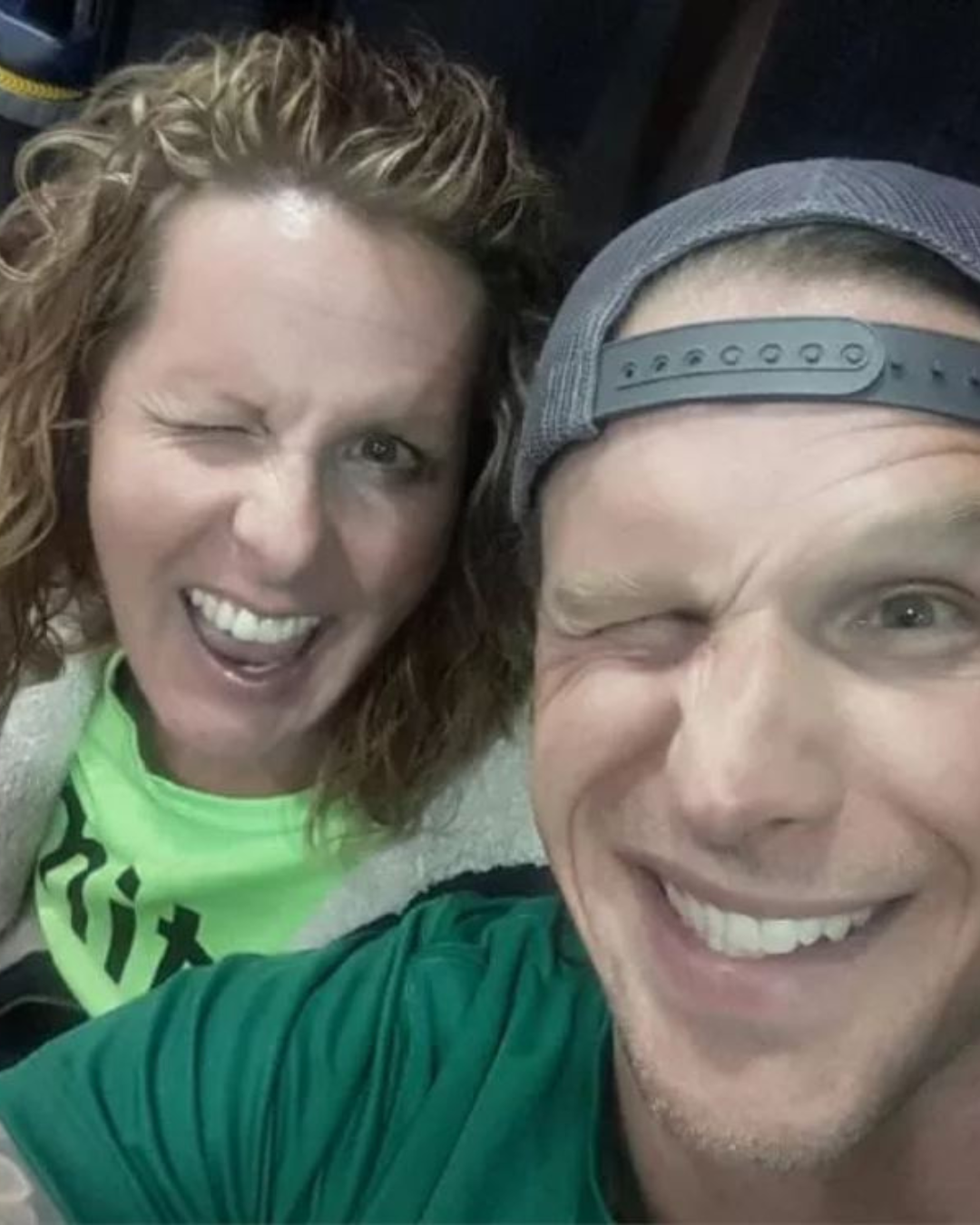
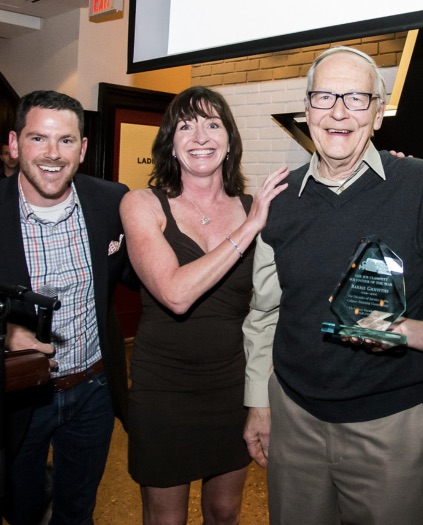
As we celebrate 15 years of MitoCanada, we’re sharing the stories of those who make this community so special. Today, we’re highlighting Cheryl Lowery — founder of @Be There Races and a dedicated supporter of MitoCanada since 2016.

When Cheryl launched Be There Races, she knew she wanted to align her events with a meaningful cause. “Knowing Blaine and the huge involvement that MitoCanada has in the running community, it was a natural fit,” she shares.

Since then, Be There Races has been raising funds through events in support of MitoCanada — and one event in particular holds a special place in Cheryl’s heart.

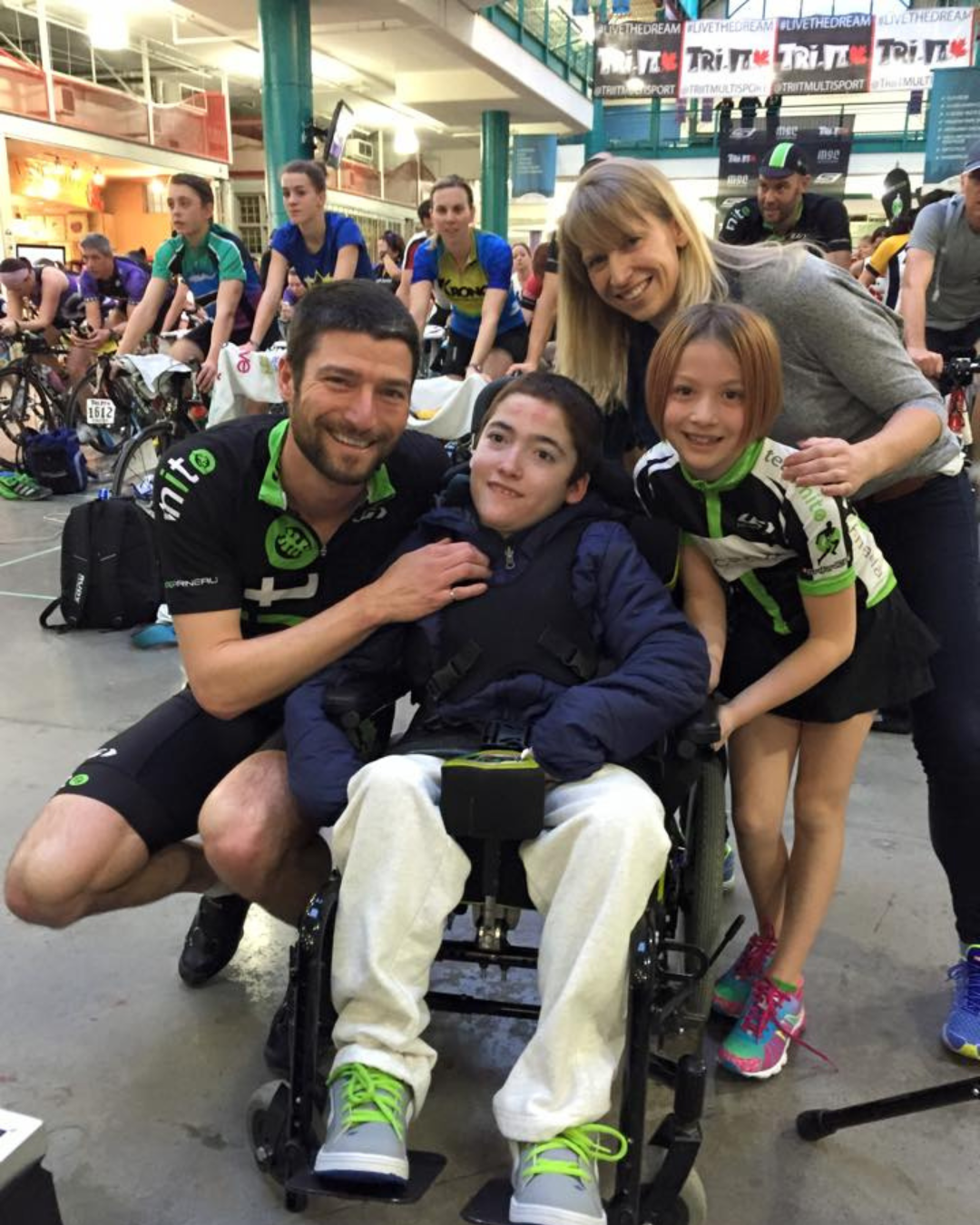
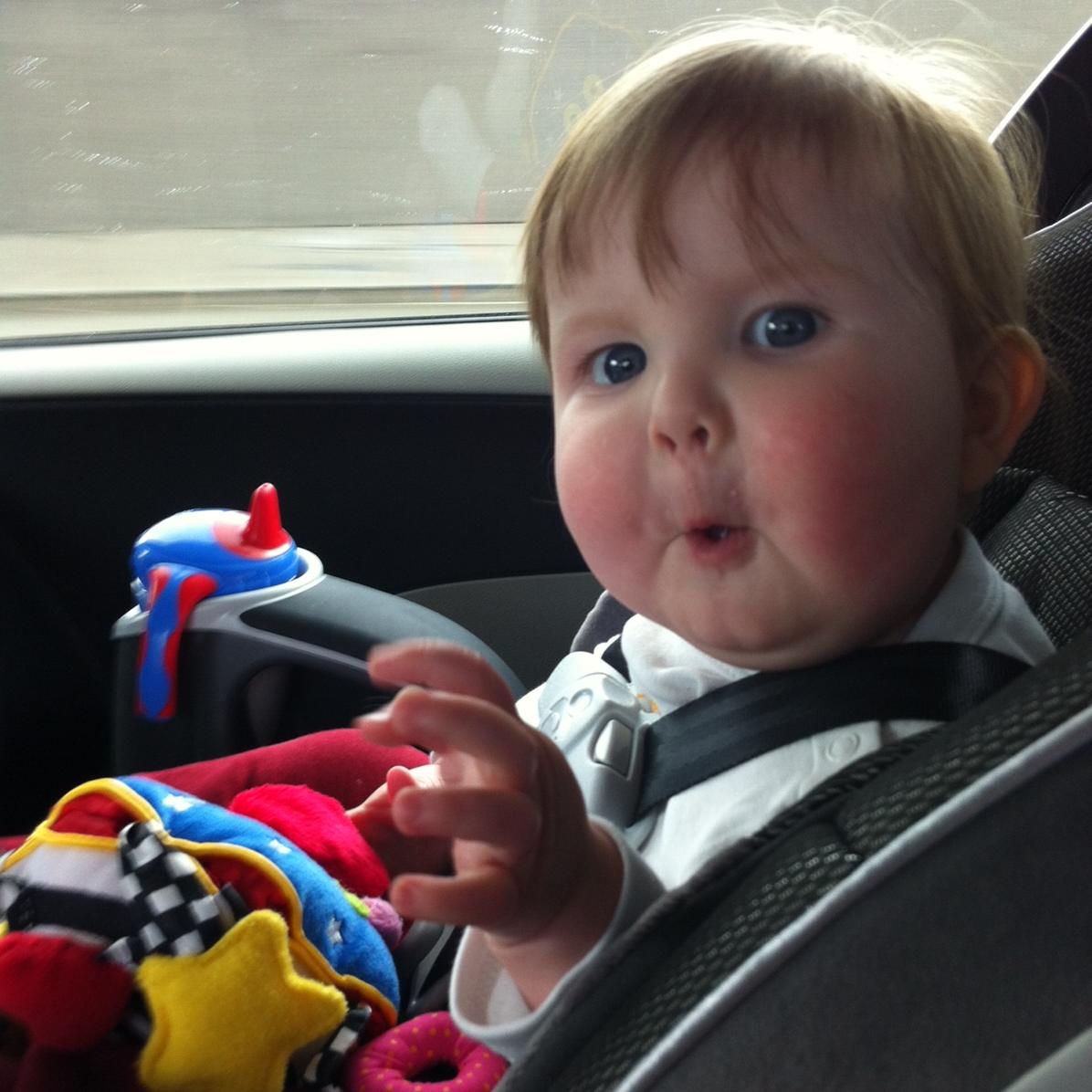
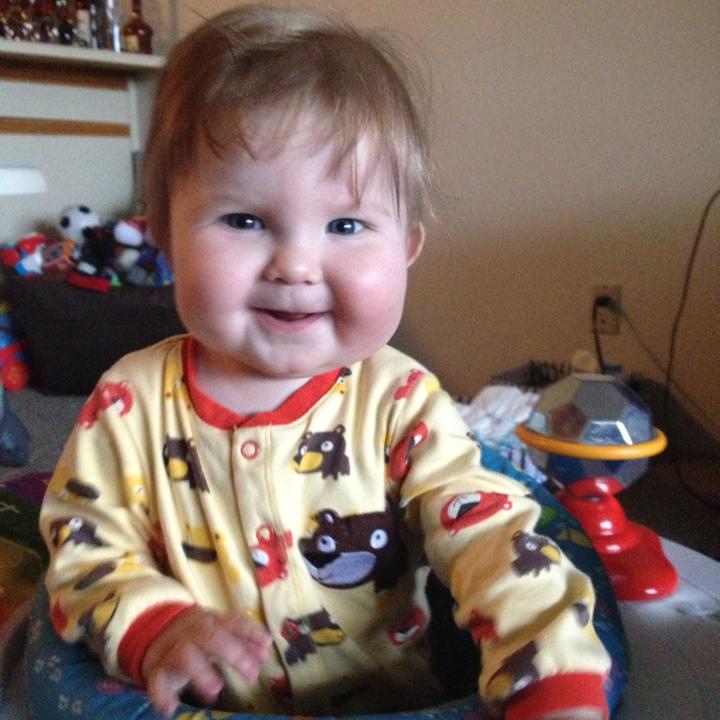
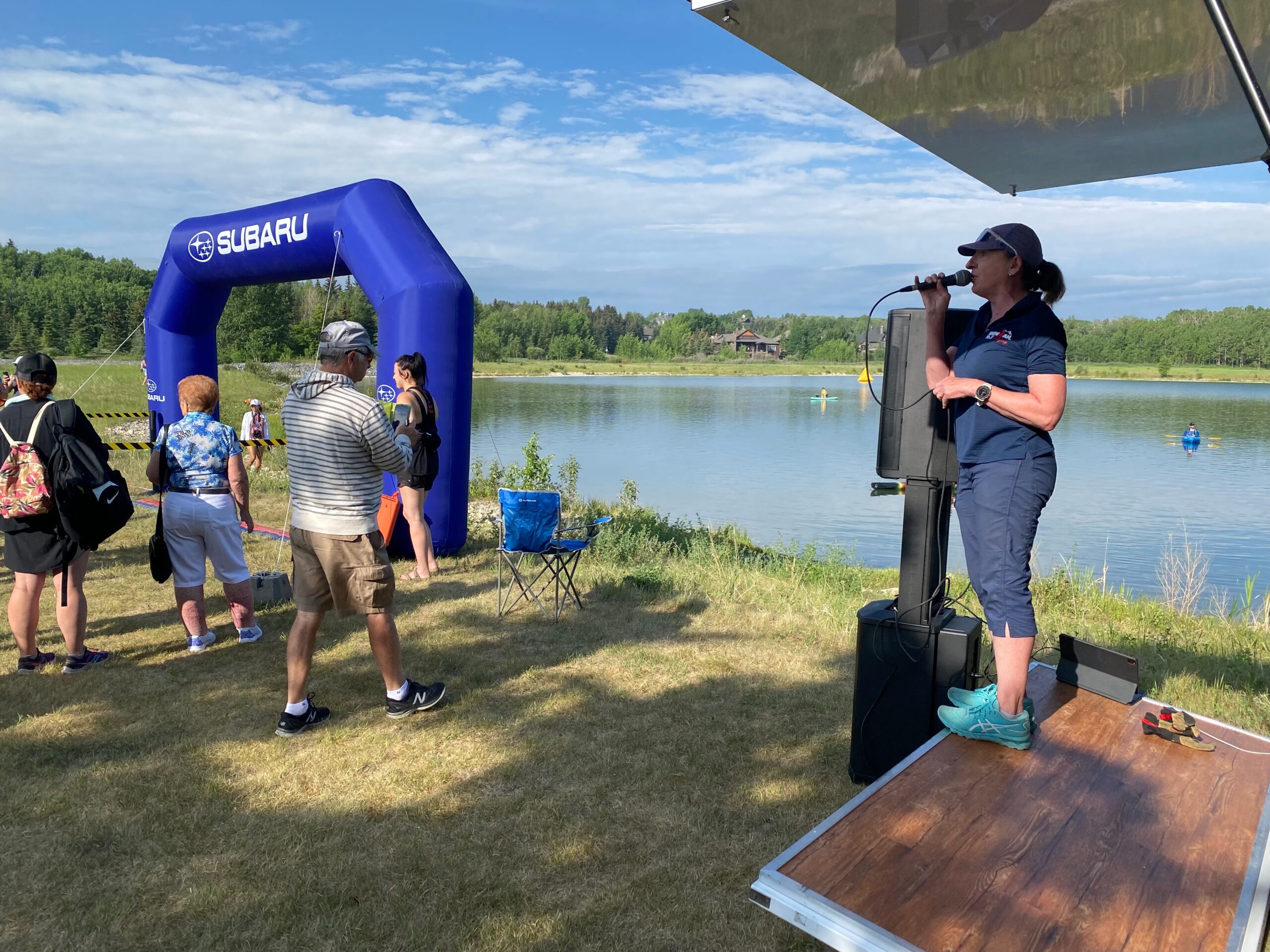
“In 2017, we started a sprint triathlon and duathlon called ‘Tri for Evan,’ named for Blaine and Sarah’s son,” she says. “Over the years, we’ve had hundreds of people participate and raise funds for MitoCanada. Blaine, Sarah, and Evan even participated some years. It was always such a great pleasure to have the whole Penny family at the race.”

This year, Tri for Evan 2025 will be the grand finale — a celebration of Evan’s legacy and the impact this event has had.

Cheryl’s message to the MitoCommunity? “Keep on moving!”

Want to keep moving this summer? Sign up for Tri for Evan on June 7th and be part of something meaningful.

Join us in fuelling the next 15 years. Every donation helps us continue this vital work and create a future where no one faces mito alone.
Be part of the journey. Donate today:
15 Stories for 15 Years: Meet Dr. Mark Tarnopolsky

As we celebrate 15 years of MitoCanada, we’re sharing the stories of those who make this community so special.  It’s a pleasure to share Dr. Tarnopolsky’s story with you. 

15 Stories for 15 Years: Meet Dr. Mark Tarnopolsky

As we celebrate 15 years of MitoCanada, we’re sharing the stories of those who make this community so special. Today, we’re highlighting Dr.Mark Tarnopolsky — a pioneering clinician-scientist whose contributions have shaped mitochondrial medicine in Canada and beyond.

Dr. Tarnopolsky is a Professor of Pediatrics and Medicine at McMaster University and the Division Head of Neuromuscular and Neurometabolic Disorders at McMaster Children’s Hospital. He also holds the Hamilton Health Sciences Foundation Chair in Neuromuscular Disorders and is the CEO and CSO of Exerkine Corporation.

His connection to MitoCanada goes all the way back to the very beginning. “I first became aware of this group when @Blaine Penny reached out to me and stayed at my place for the inaugural meeting in Hamilton 15 years ago,” recalls Dr. Tarnopolsky. “I didn’t know he was such a good runner — he came on our usual Saturday morning two-hour trail run and had no problem keeping up! I’ve had many wonderful runs with Blaine over the years.”

Reflecting on that first meeting, Dr. Tarnopolsky says it still stands out as one of the most meaningful moments in his journey with MitoCanada. “It was the beginning of such a great organization,” he shares.

Since then, Dr. Tarnopolsky has witnessed the profound impact MitoCanada has made. “MitoCanada has provided massive awareness of the disorder and support for families,” he says. “They’ve also provided seed funding for important research projects that have led to great advancements in therapy.”

Looking to the future, Dr. Tarnopolsky hopes to see MitoCanada continue expanding its support and impact. “I hope the organization continues its great support for patients and reaches an even higher level of support for mitochondrial disease therapies,” he says. And his greatest hope for the mito community in the next 15 years? “Universal and free access to effective therapies,” he says.

Today, we honour Dr. Tarnopolsky’s contributions to the field and his dedication to the MitoCommunity.

Join us in fuelling the next 15 years. Every donation helps us continue this vital work and create a future where no one faces mito alone.

Be part of the journey. Donate today:
Swing for a Cure Charity Golf Event

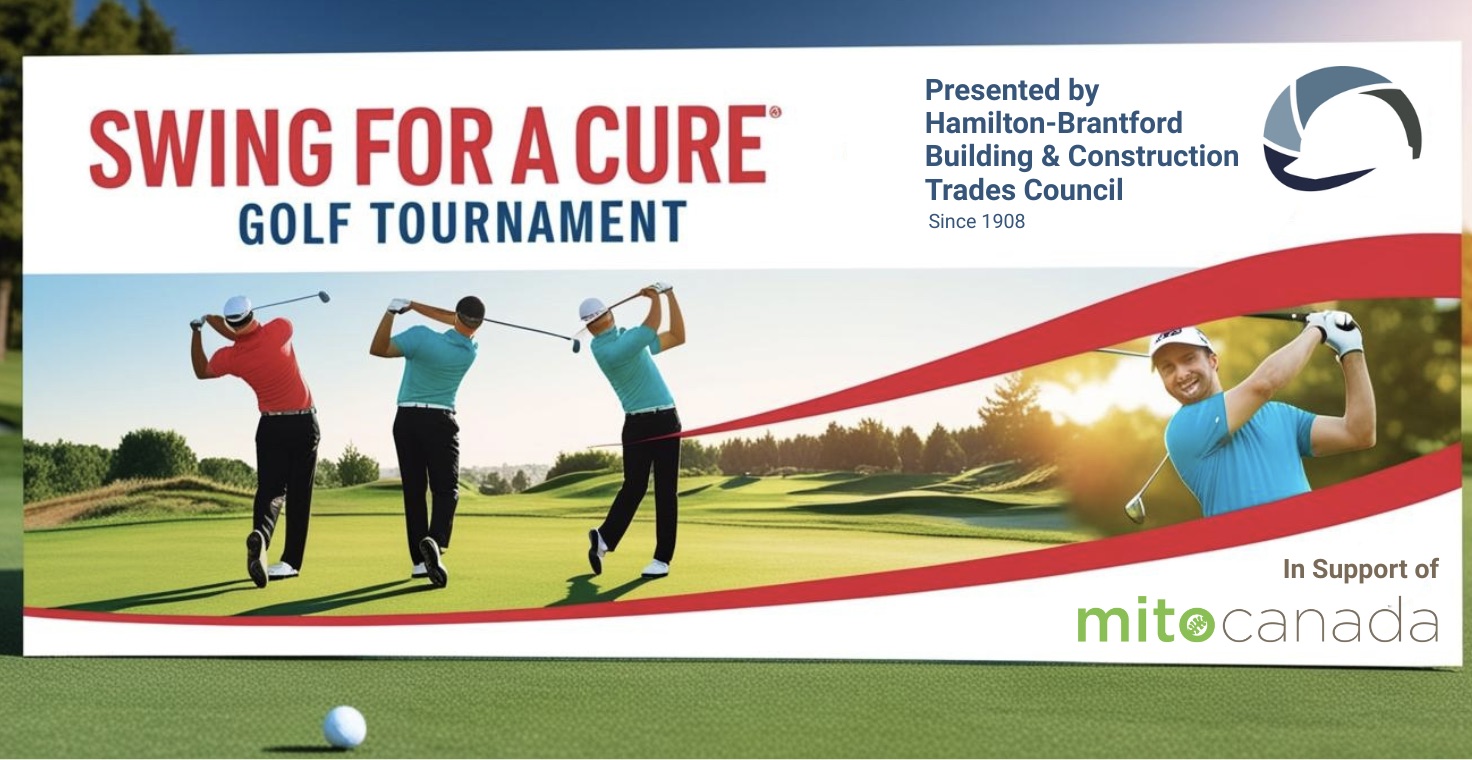
HBBT Swing for a Cure banner

Swing for a Cure Charity Golf Tournament

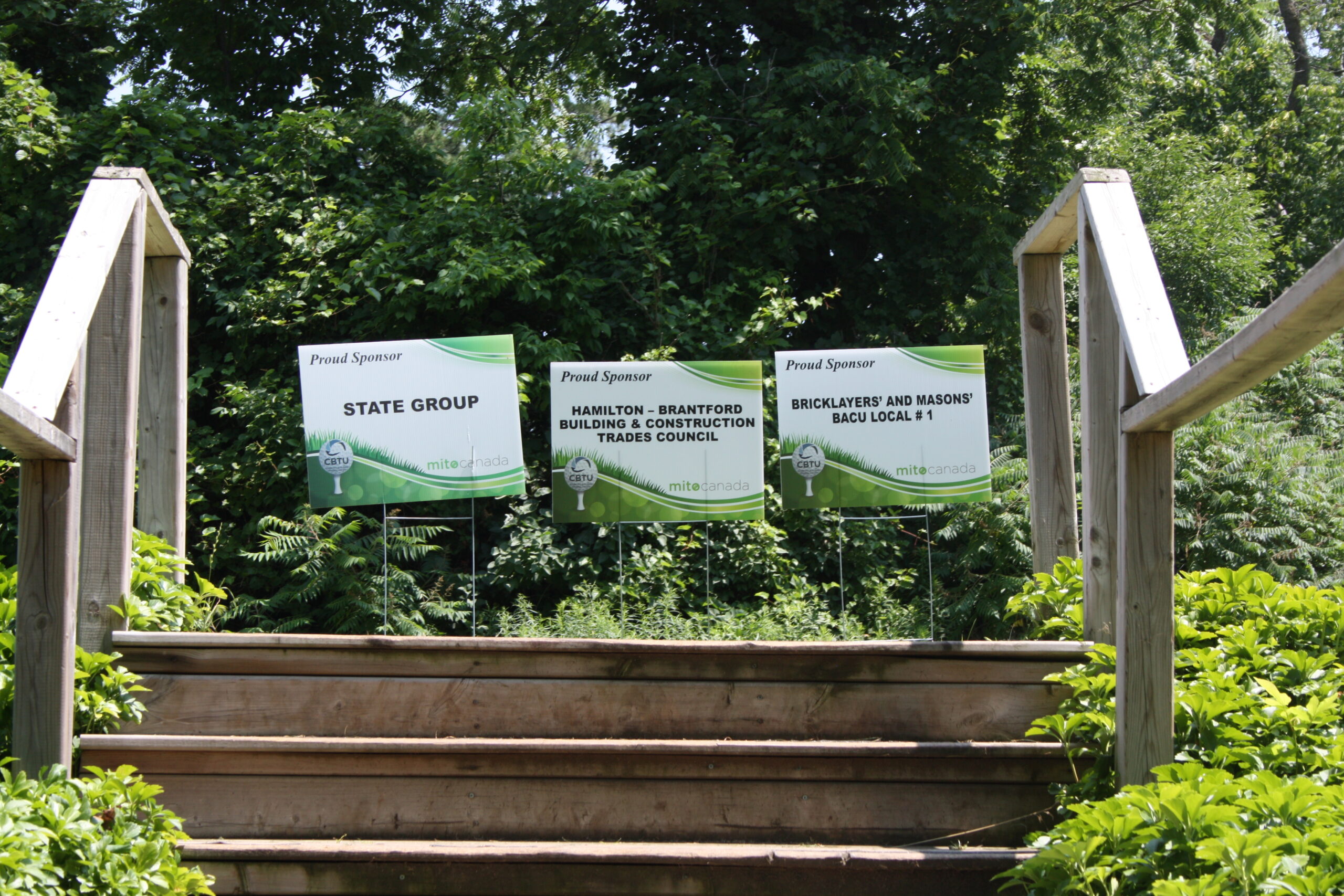
Presented by the Hamilton-Brantford Building Trades Council

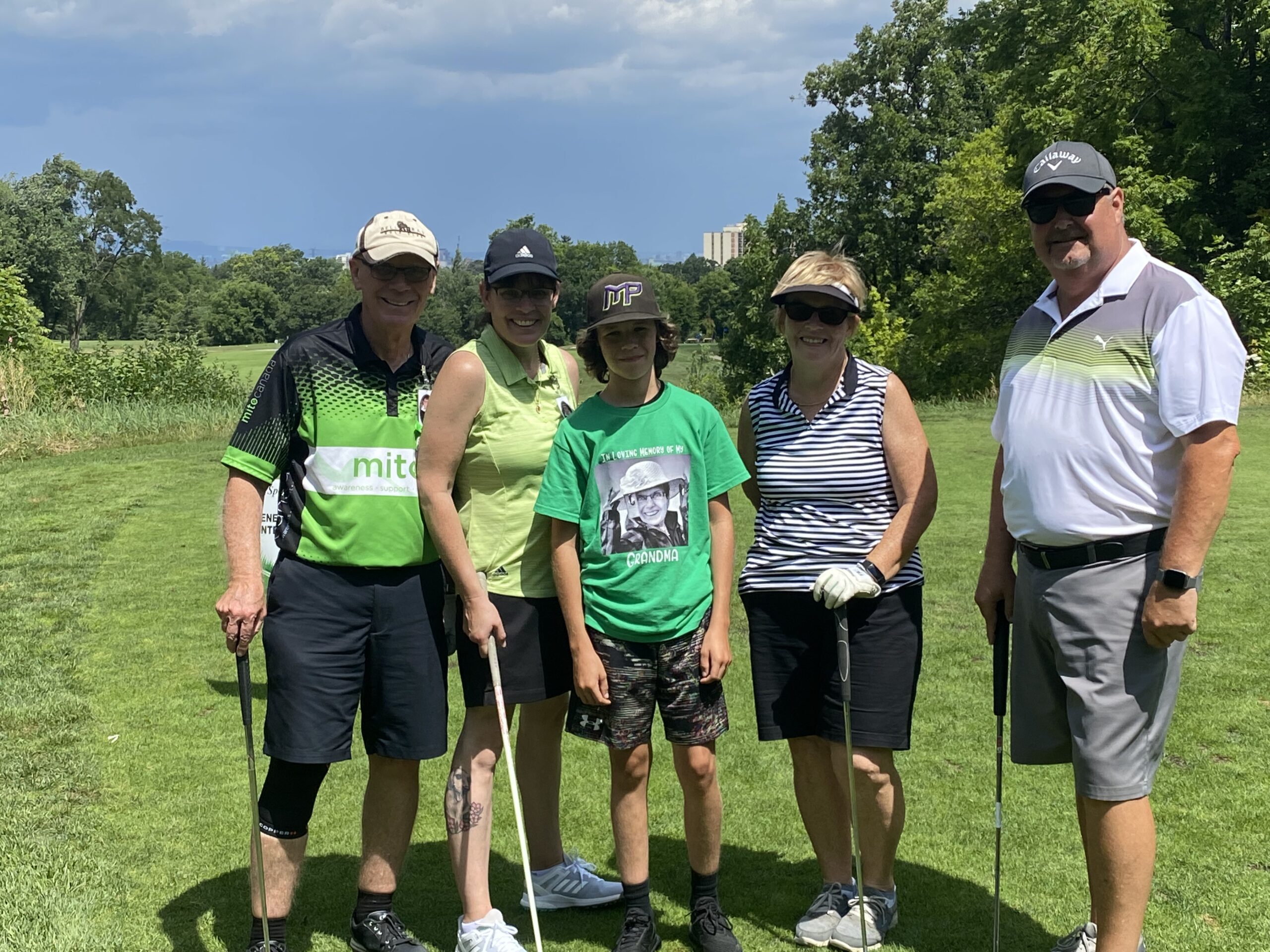
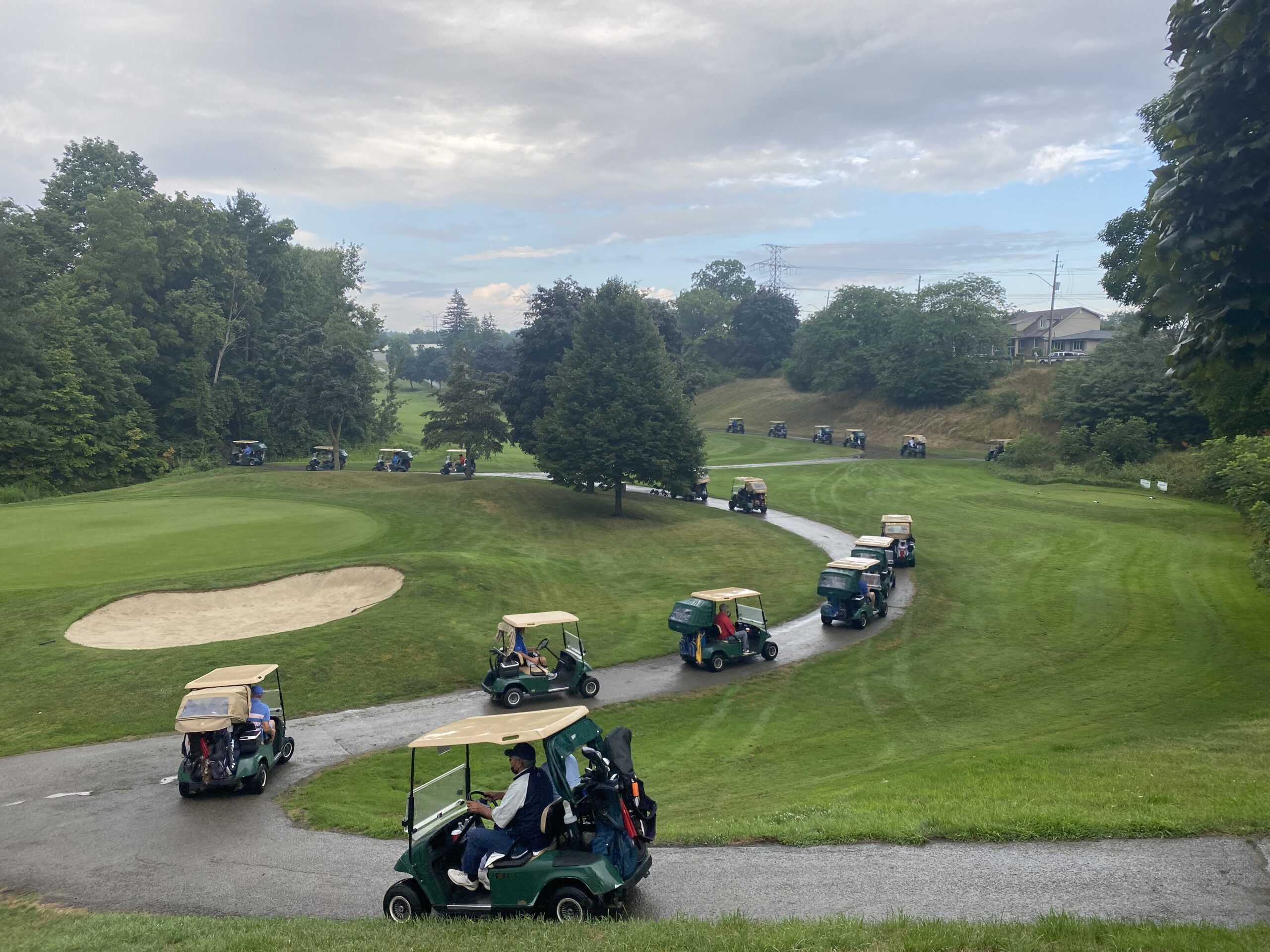
Get ready to tee off for a great cause! Join us on Thursday, July 10th, for the 8th annual Swing for a Cure charity golf event hosted by the Hamilton-Brantford Building Trades (HBBT) Council.

This fun-filled day of golf brings together community members, industry professionals, and generous supporters to raise critical funds for mitochondrial disease research, support programs, and awareness initiatives. Whether you’re a seasoned golfer or just out to enjoy the sunshine and camaraderie, your participation helps drive real impact for individuals and families living with mitochondrial disease.

We are deeply grateful to the Hamilton-Brantford Building-Construction Trades Council and all tournament participants for their incredible ongoing support, which has raised over $80,000 for MitoCanada’s mission.

Event Highlights

  • 18 holes of golf at a premier course

  • Team contests and exciting hole challenges

  • Prizes, raffles, and silent auction

  • Delicious meals and refreshments

  • Great company, all for a great cause

We invite you to gather your friends, colleagues, or crew and register your foursome early—spots fill up fast!

Together, we can drive change and bring hope to the mito community—one swing at a time.

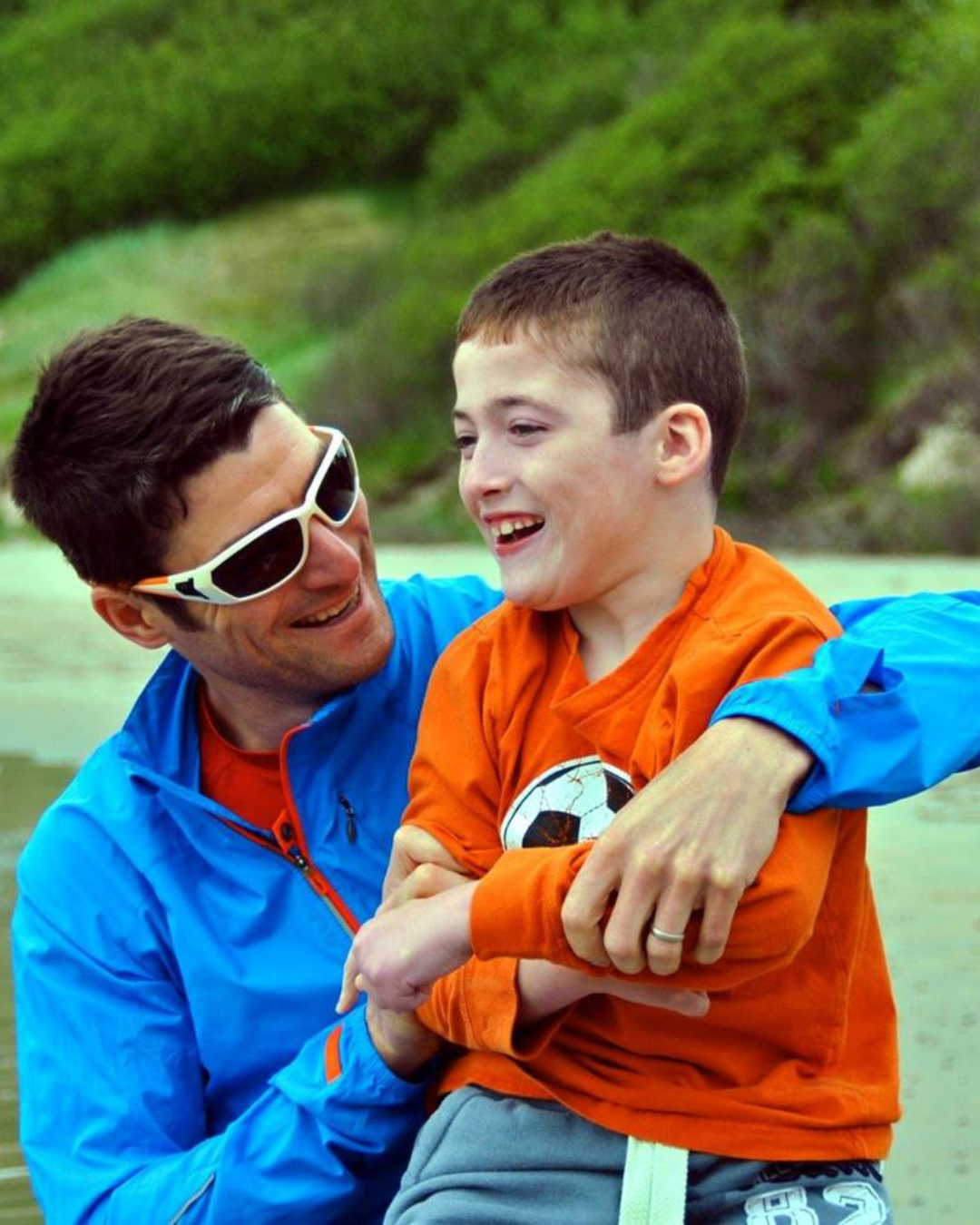
15 Stories for 15 Years: Blaine and Evan Penny

MitoCanada is celebrating 15 years of impact, resilience, and progress, and we’re kicking off our 15 Stories for 15 Years series with the story that started it all: Blaine and Evan Penny.

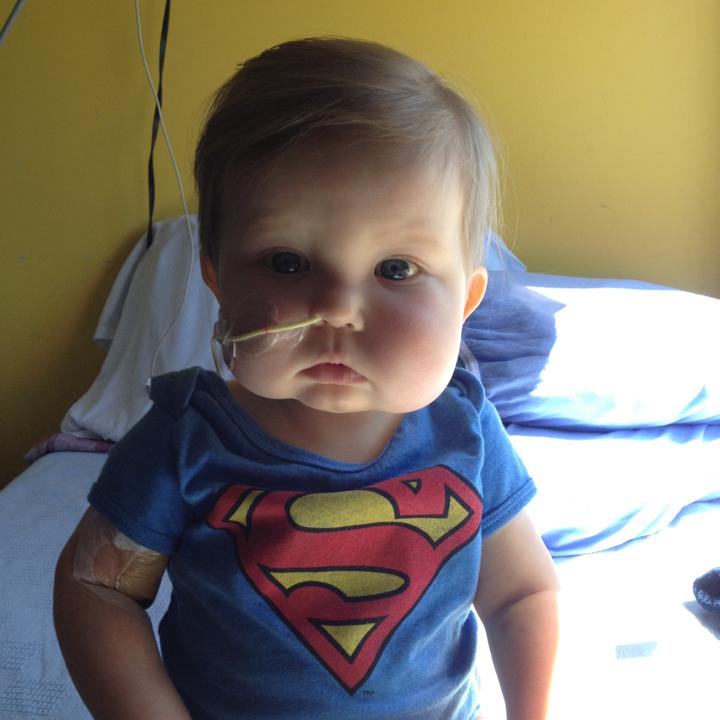
In 2008, Blaine and his family’s world changed forever when his four-year-old son, Evan, went in for what was supposed to be a routine appendectomy. Instead of waking up as expected, Evan fell into a coma. Five days later, he regained consciousness, but he had changed forever, becoming non-verbal and needing to be tube-fed. After months of uncertainty, testing led to a probable mitochondrial disease diagnosis. Read their full story on our website: https://mitocanada.org/evan-penny/

Determined to turn heartbreak into action, Blaine channelled his endurance as a marathoner into raising awareness and funds for mito research.

In 2010, he ran a gruelling 100-kilometre ultra-marathon through Alberta’s mountains, marking the start of what would become MitoCanada — a national charity dedicated to supporting Canadians impacted by mitochondrial disease.

Today, we honour Blaine and Evan’s story — the spark that ignited 15 years of progress, community, and hope.

Join us in fuelling the next 15 years. Every donation helps us continue this vital work and create a future where no one faces mito alone.

Be part of the journey. Donate today:
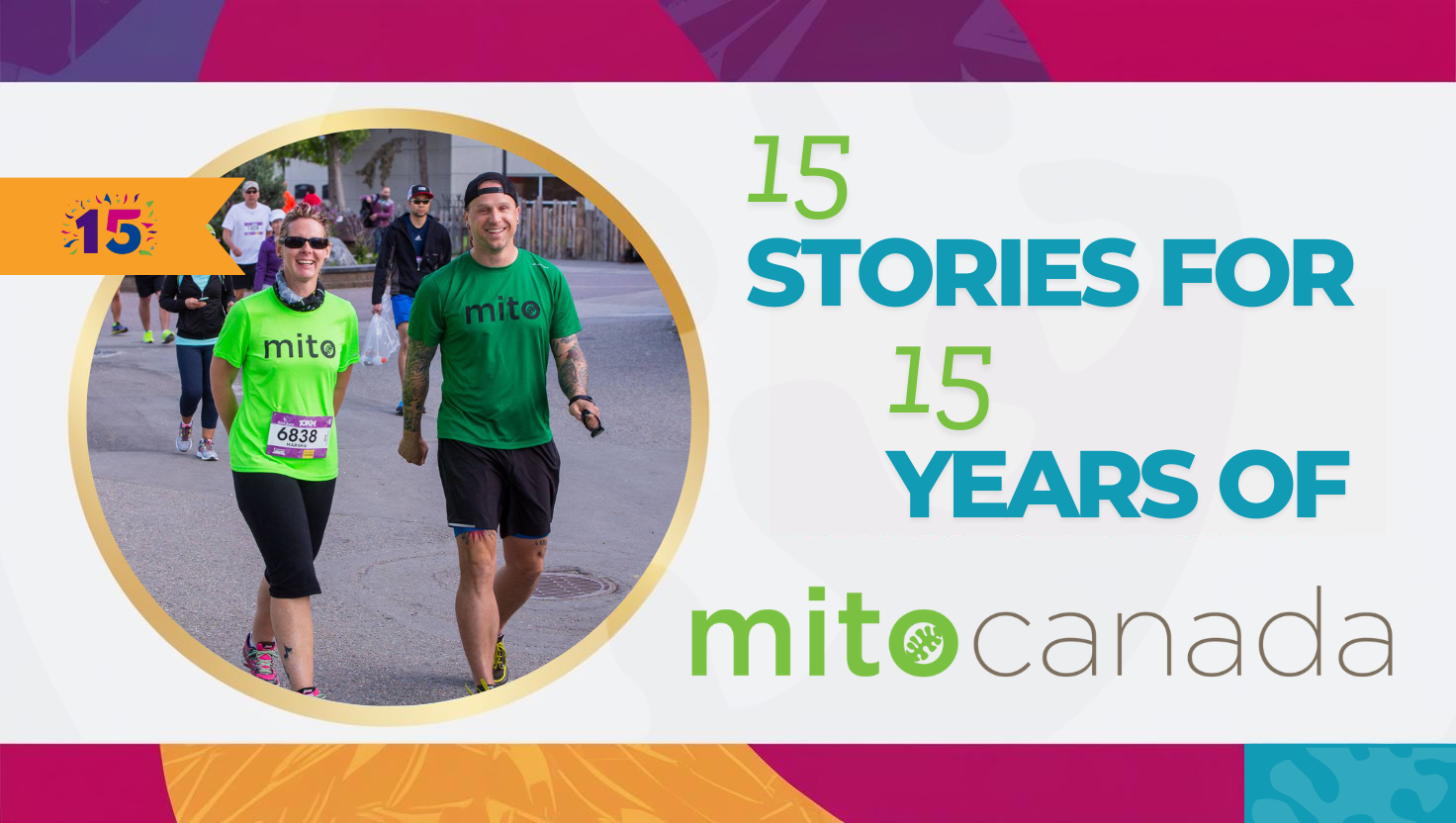
15 Stories for 15 Years: Meet Marsha Crossman

As we celebrate 15 years of MitoCanada, we’re sharing the inspiring stories of individuals who make this community so special. Today, we highlight Marsha Crossman — a passionate mito advocate, patient, and long-time supporter.

Marsha’s journey began in 2015, when she was diagnosed with McArdle’s disease, a secondary type of mito. “After years of tests and seeing a variety of specialists, I was finally diagnosed at an out-of-province neuromuscular clinic,” she says. “Having a diagnosis helped me put the puzzle pieces of my symptoms together and move forward.”

From that moment on, Marsha didn’t just find answers — she found community, purpose, and the power of connection.

“What inspires me the most to be involved with MitoCanada is the charity’s desire to truly make a difference in the lives of people living with mitochondrial disease,” she says. “MitoCanada has included me in several initiatives, from reviewing research grant applications to attending seminars. They understand that research and support are the best ways to help manage this disease.”

Marsha has been an impactful part of the MitoCommunity for many years. “Being part of the MitoCanada family has made a huge impact on my life,” she shares. “The connections I’ve made with other patients going through the same experiences as me have been meaningful. Whether it was attending an event or organizing one as the Team MitoCanada lead for Saskatchewan, the people have made all the difference.”

Through her connection with MitoCanada, Marsha is most proud of sharing her story. “Sharing my story wasn’t easy at first, but MitoCanada helped me realize that my story has the ability to inspire and educate others,” she says. “I didn’t imagine the impact it would have. By sharing my experience, I was able to connect families with resources in our province and with MitoCanada for trusted support.”

Marsha is also very proud of her family’s involvement with MitoCanada. Her husband, Jon Paradowski, famously ran across Canada virtually (7,269 kms!) in 2021 to celebrate MitoCanada’s 10th anniversary and raise awareness for mito. (Read more about that here: https://mitocanada.org/get-involved/historicalevents/jons-virtual-run-across-canada/)

Marsha’s message to the MitoCommunity is pure and simple: “Love yourself, even when your body is failing you,” she says. “Stay positive with courage and a grateful heart. And always remember to ask for help — you are not alone.”

Marsha’s story is a powerful reminder of the strength within our MitoCommunity. Read her full journey here: https://mitocanada.org/marsha-crossman/

Join us in fuelling the next 15 years. Every donation helps us continue this vital work and create a future where no one faces mito alone.

Be part of the journey. Donate today:
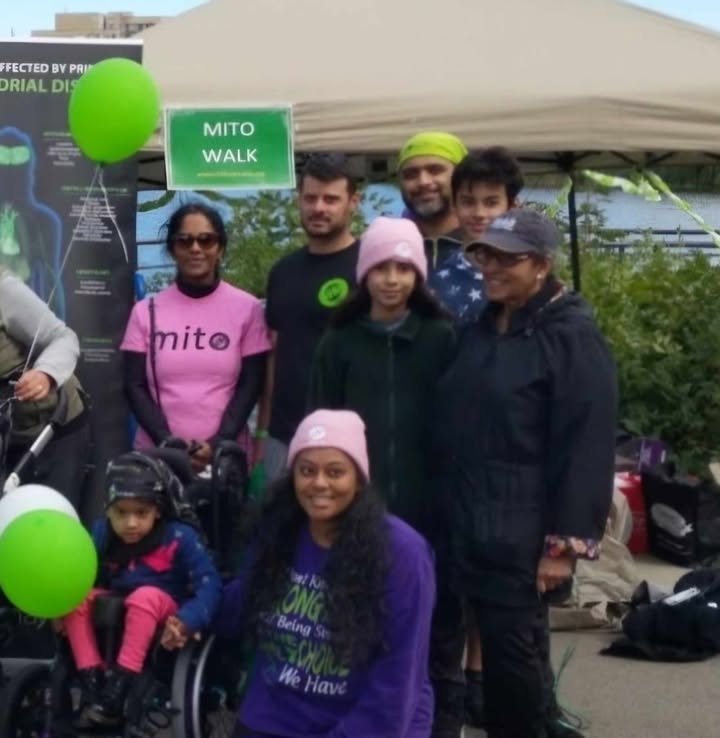
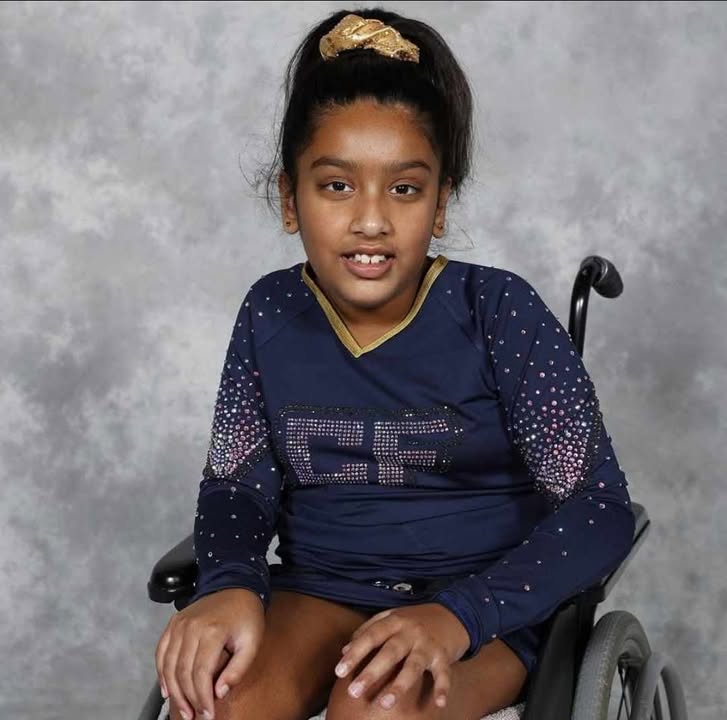
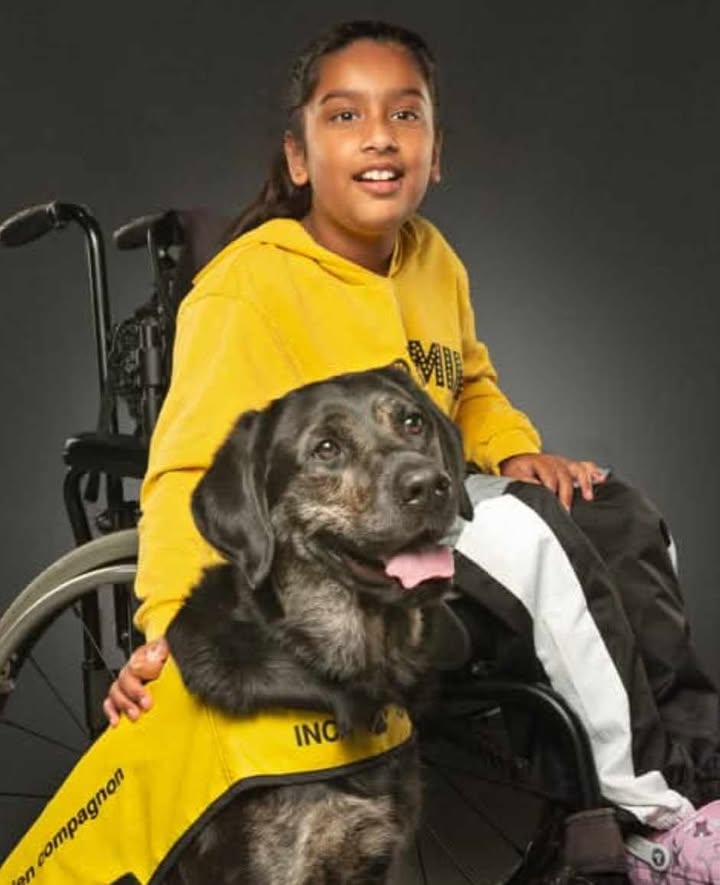
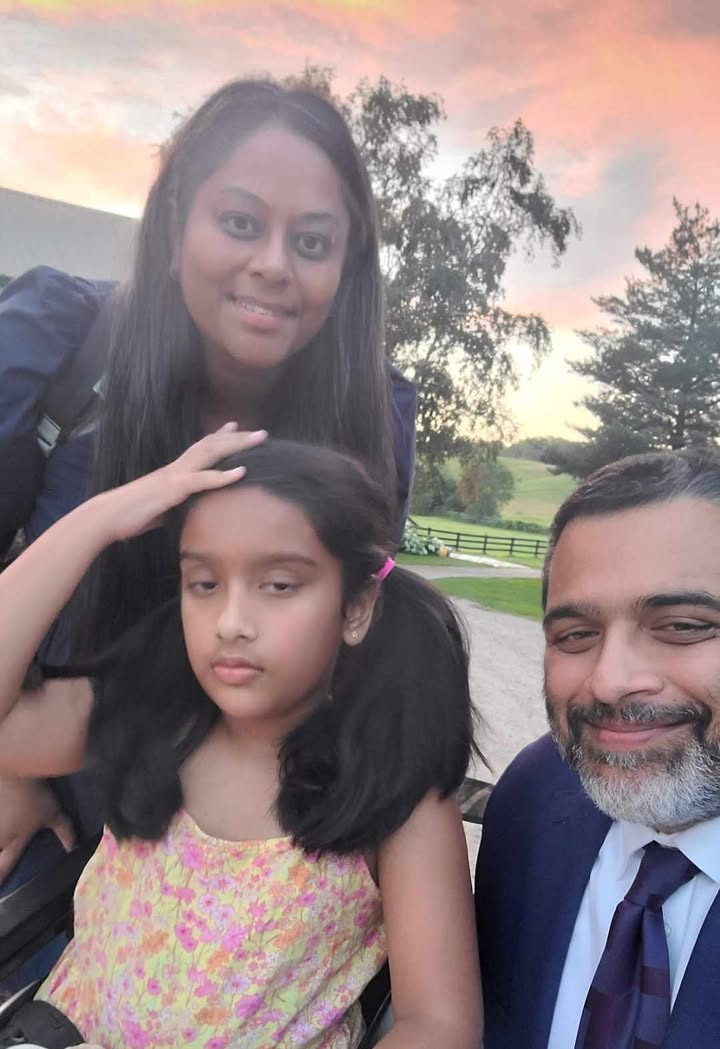
15 Stories for 15 Years: Meet Savitha, Ajay and Anakha

15 Stories for 15 Years: Meet Savitha, Ajay and Anakha

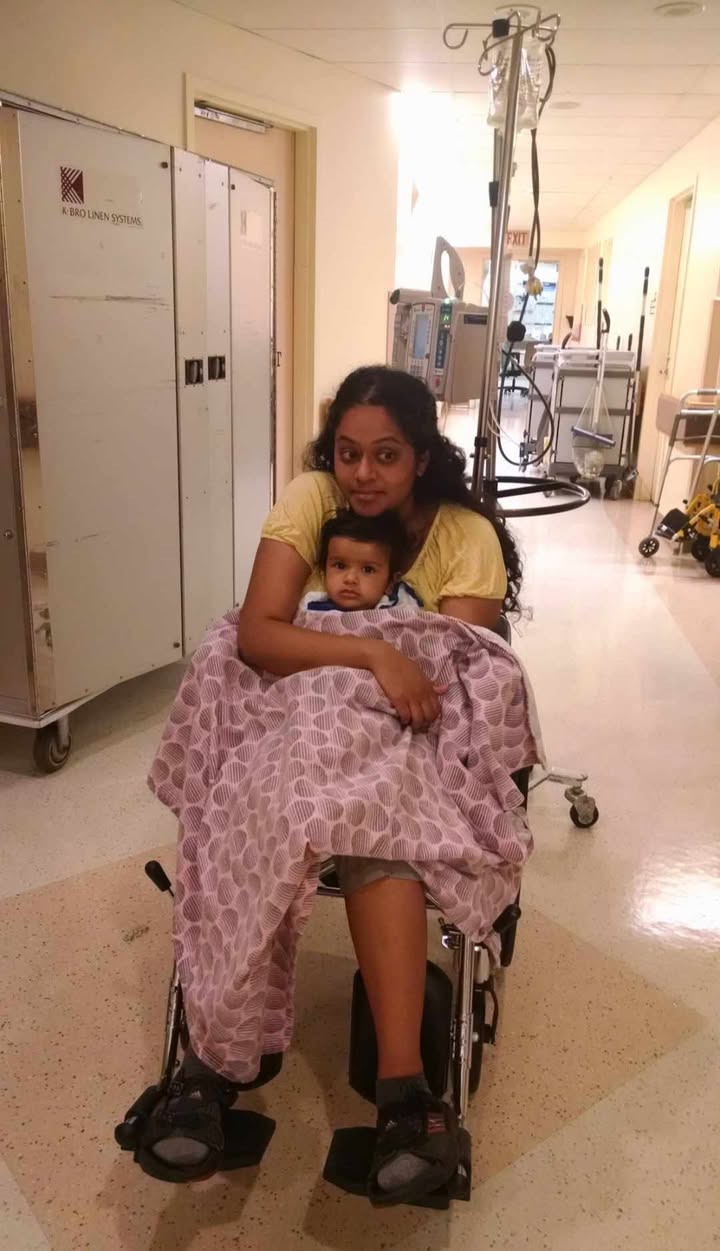
As we celebrate 15 years of MitoCanada, we’re sharing the inspiring stories of individuals who make this community so special. Today, we highlight Savitha, Ajay and their daughter, Anakha — a resilient, determined, and joyful 10-year-old who is defying expectations every day.

Anakha’s journey began like any other. “She had an uncomplicated birth, and for nine months, everything seemed fine,” Savitha recalls. But after a flight, Anakha began losing all the skills she had developed — within six weeks, she could no longer crawl, babble, or even hold up her head.

Doctors at SickKids in Toronto suspected mitochondrial disease but told her parents there was no hope. “They told us to go home, make her comfortable, and prepare for the imminent worst,” Savitha says. But Anakha’s mother saw something else — signs of healing. “Magically, within a month of her initial regression, Anakha’s eyes started tracking light again and her fists slowly unclenched,” says Savitha. “Her first medical team did not believe me, and decided they were dealing with a desperate mother, looking for any sign of hope. But I saw the signs of healing and refused to give up on Anakha.”

Determined to fight for Anakha’s future, Savitha sought out every resource she could find. She connected with MitoCanada and sent Anakha’s dad, Ajay, to attend an event, where he connected with other mito families. She learned about Dr. Tarnopolsky and the latest research on mitochondrial disease. She advocated for Anakha to start on the mito cocktail before receiving an official genetic diagnosis and built a care strategy that prioritized movement, nutrition, rest, and avoiding infections. “Our family started living by the principles that I believe ultimately saved Anakha’s life – avoid stressors, avoid infection, emphasize exercise and movement, ensure she eats and drinks properly, protect sleep, and rest,” says Savitha. “Our family was sanitizing and masking in public years before the COVID-19 pandemic.”

Against all odds, Anakha recovered skills doctors said she never would.

Now 10 years old, Anakha is thriving. “She has regained some of her vision, uses a manual wheelchair, and is a wickedly funny and intelligent fifth-grader who loves musicals, blind bags (surprise toys), reading horror novels, swimming, cheerleading, spas, and dogs,” says Savitha. Her genetic condition, multiple mitochondrial dysfunction syndrome type 3 (MMDS3), also known as IBA57 deficiency, is ultra-rare — at the time of her diagnosis, only three cases had been reported worldwide.

Today, through literature reviews and social media, Savitha has tracked about 70 children globally with the same condition, some of whom have followed similar journeys of loss and recovery. “Currently, we’re in contact with three other families: a young boy in Serbia, a young man in New York, and a young woman in Norway who is a lawyer!” says Savitha. “These families experienced the same initial regression of skills as infants, but the children slowly regained many of their skills, through therapy, hard work, parental determination, and time. I’ve also been in touch with three families who lost their children in infancy. IBA57 deficiency is a spectrum.”

Anakha has faced naysayers and disbelievers her entire life. “Whether it’s the doctor who refused to believe she was tracking light again and refused to refer Anakha to ophthalmology (Anakha went from a 1 to an 8.5 out of 10 on the Cortical Visual Impairment scale, 10 being normal vision), the speech-language therapist who told us Anakha could not understand us and would never be capable of expressive language (she was wrong and apologized to us – Anakha is incredibly verbose and loves to sing and act!), or the educators who struggle with presuming competence in the face of disability (Anakha is incredibly intelligent, and when her IEP accommodations are appropriately administered, she can show that to the world!), living life with disabilities and a life-threatening illness is always going to be a fight,” says Savitha.

Savitha and her family’s journey with MitoCanada has been one of connection and support. “When we first started our journey, resources in Canada were so limited,” she says. “But within a few years, MitoCanada grew exponentially — providing education, raising awareness, fundraising, and connecting families like ours so we didn’t feel so alone.”

Savitha now plays an active role in the community, participating in the annual Walk N’ Roll 4 Mito and encouraging her family and friends to get involved. Ajay even sits on MitoCanada’s mitoScholars committee, helping to support students impacted by mito.

Savitha’s message to the MitoCommunity? “Mitochondrial disease is a tough, multi-system, complex disorder,” says Savitha. “We, whether adult patients or caregivers, are required to juggle multiple health specialists, therapies, and conflicting advice, all while dealing with exhaustion, pain, and grief. This is a tough gig. But what I want the MitoCommunity to remember is to always keep fighting. There is no guarantee of any sort of outcome, but we must always try, and fight for ourselves, and fight for our children. Stay connected, don’t be afraid to reach out for help, and never, ever, give up.”

Join us in fuelling the next 15 years. Every donation helps us continue this vital work and create a future where no one faces mito alone.

Be part of the journey. Donate today:
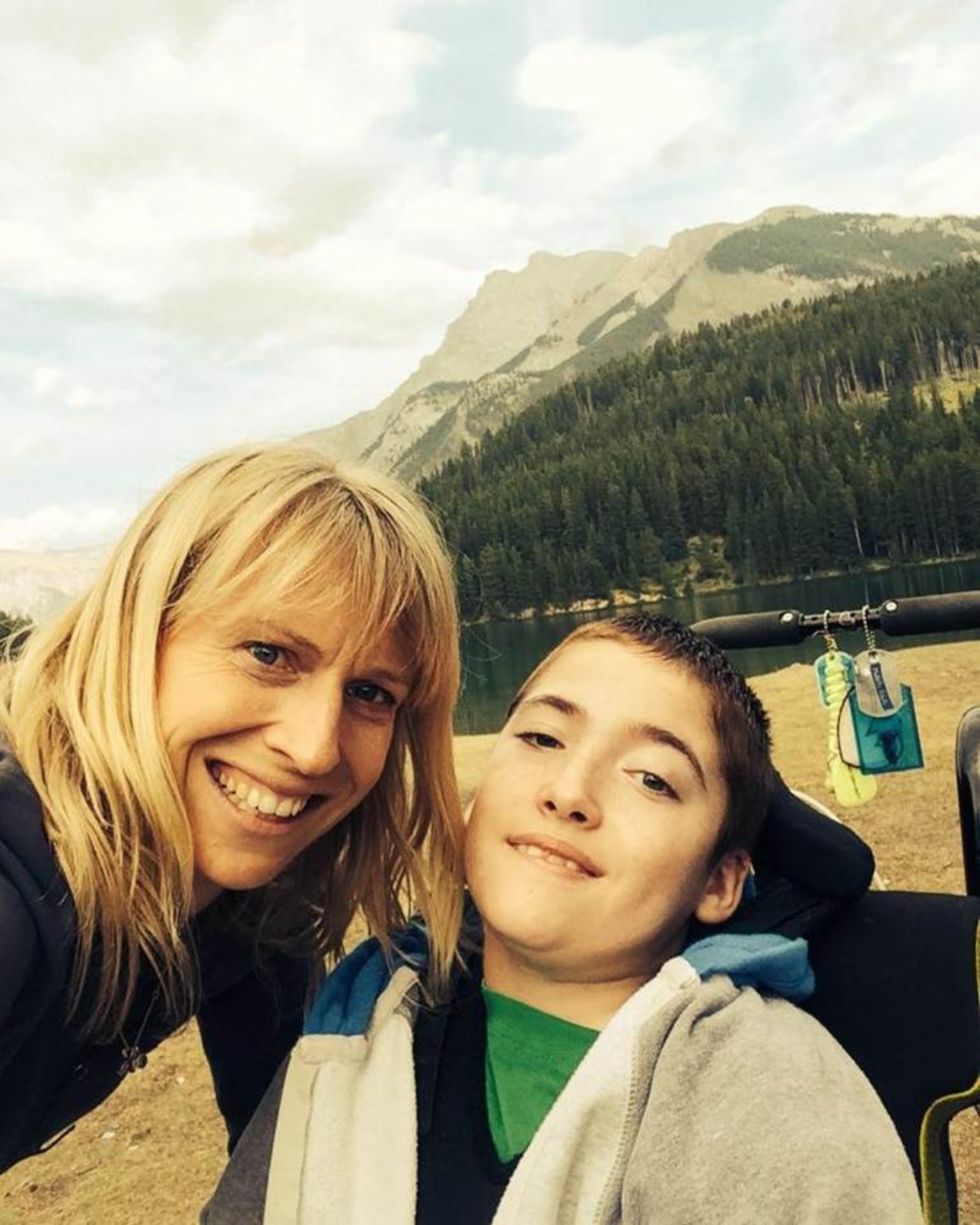
15 Stories for 15 Years: Meet Celia McGrath and Frankie

As we celebrate 15 years of MitoCanada, we’re sharing the stories of those who make this community so special. Today, we honour Celia McGrath and her son, Frankie. Frankie was born in April 2012. “Frankie was such a happy and active baby,” says Celia. “We went to baby yoga, music classes, swimming, baby salsa dancing classes (that was more for the parents, haha), storytime at the library, and, of course, our daily walks. Frankie had the biggest cheeks and was always smiling! We did so much with him in the short amount of time he had on this earth.”

Just after his first birthday, Celia noticed Frankie’s eyes were very yellow. A hospital visit led to devastating news — he had acute liver failure, likely present since birth. Despite no previous signs or symptoms, all of Frankie’s major organs began shutting down. “The doctors at Stollery Children’s Hospital in Edmonton told us his mitochondria were failing, and that a liver transplant wouldn’t save his life,” says Celia. “We had never even heard of mitochondrial disease. Frankie was a very happy and healthy baby — this was a complete shock.”

In just three weeks, Frankie was gone. He passed away on May 14, 2013, at Vancouver Canuck Place.

In the depths of grief, Celia’s mother searched for support and found MitoCanada. Through the charity, Celia connected with another mom who had lost her child to mito. “We talked on the phone, and I cried through most of the conversation, but this mom was so caring and she was someone I could connect with and who understood my pain,” she says. “My mom was able to connect with a woman whose grandson passed away from mito. MitoCanada is a very supportive and inspiring community.”

MitoCanada became a place of connection, support, and inspiration for Celia and her family. “What inspires me about MitoCanada is how hard they work to spread awareness and support families,” says Celia. “When I first connected with MitoCanada in 2013, the charity was only about three years old. To see how far it has come is unbelievable! It’s hard to put into words, but it’s sad that so many more families have needed to find this community. No one should have to go through losing a loved one to mito or live with this disease, but we’re lucky that MitoCanada exists.”

Wanting to honour Frankie, Celia and her family launched The Frankie G Pub Night (@frankiegspubnight) in 2014. “We wanted to host a night where all of our family and friends could come together in memory of Frankie while raising awareness and funds for MitoCanada,” she says. “We had no idea what we were doing, but we knew it could become something special.”

Now an annual event, the fundraiser brings together 150-200 people to raise awareness and funds for MitoCanada. “I wish I didn’t have to host The Frankie G Pub Night,” Celia admits. “I wish more than anything that Frankie was still here with me. But hosting the pub night has helped me through my grief.” The 9th annual event will take place on July 19, 2025.

Through it all, Celia is proud of the love and support that surrounds her. “Frankie still lives on in our memories, and to be able to honour him with The Frankie G Pub Night, where so many people come together to show their love and support, means more than words can say,” she says. “My family and friends have helped me through many years of heartache and sadness, and having their love and support means more to me than anything.”

Her message to the MitoCommunity? “Keep sharing stories of your loved ones. They will never be forgotten.”

Celia’s story is heartbreaking and inspiring. We’re grateful to have her as such an integral part of our MitoCommunity.

Be part of the journey. Donate today:

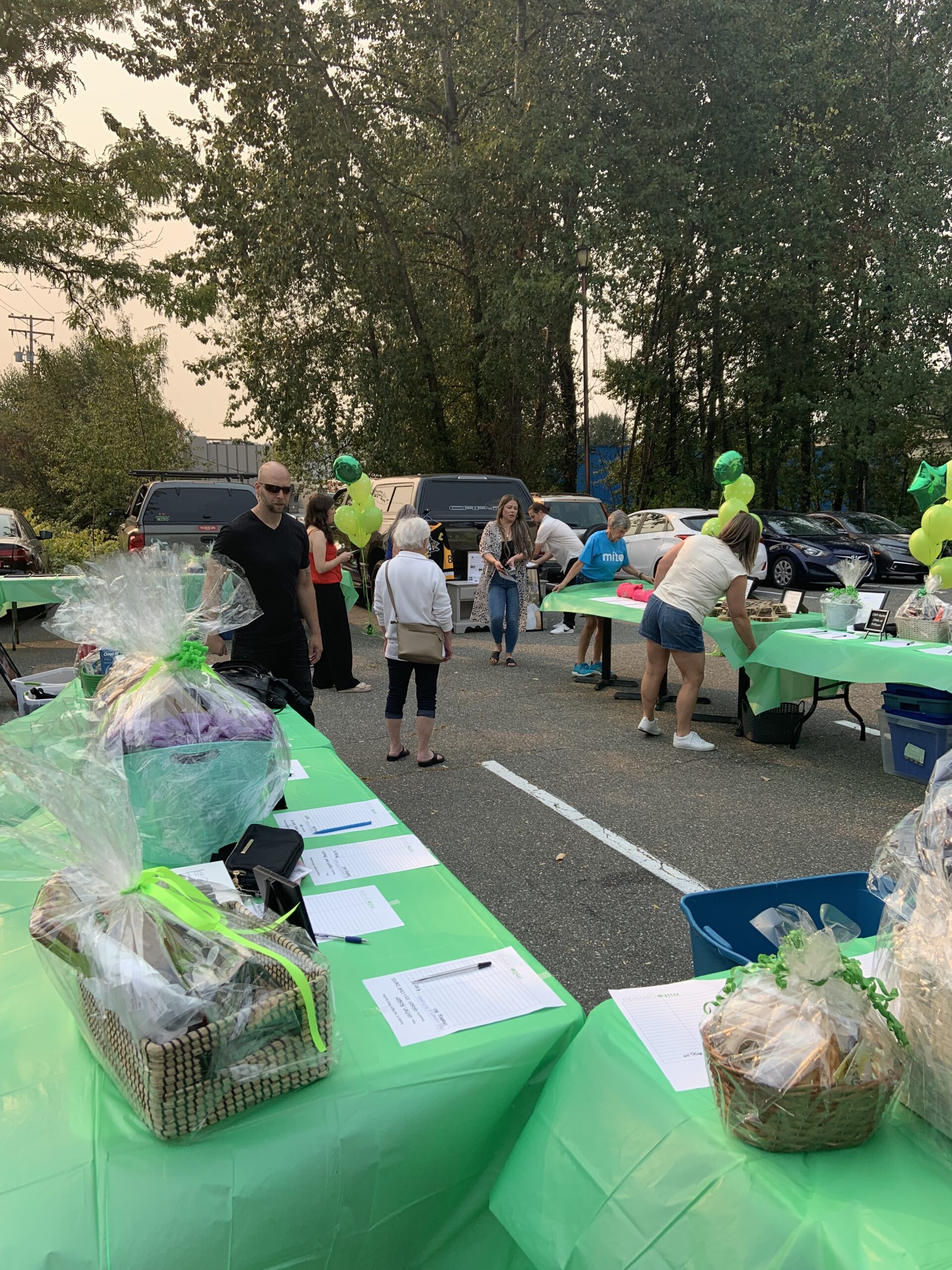
To learn more about Frankie G Pub Night, taking place on Saturday, July 19th, at The Golden Parrots Pub, click below:

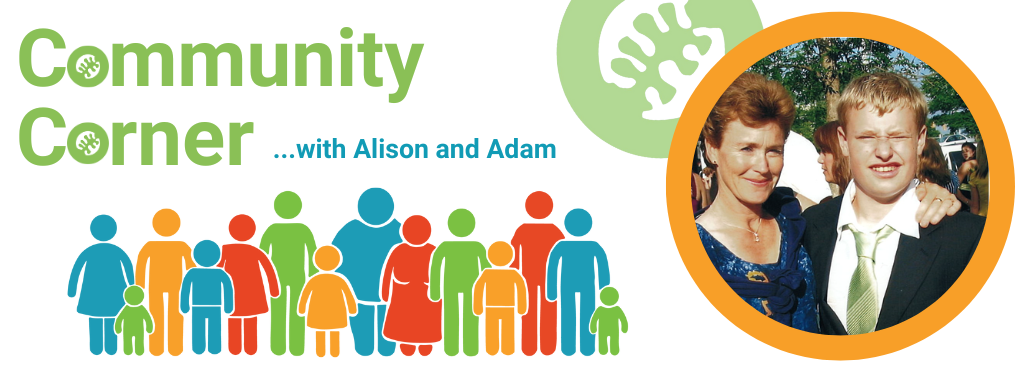
Community Corner with Alison and Adam

Adam’s Story

It’s been 29 years now, and nobody could have predicted how life would unfold. We were two healthy parents, and my daughter Lara was a healthy little girl. And then my son Adam arrived.

He, too, seemed to be a happy and thriving baby, hitting all his milestones. But around his first birthday, I started to notice some concerning signs. Adam lost weight, and every time I breastfed him, he vomited. When he started walking, he seemed to regain some strength – but it wasn’t long before new signs emerged. By the time Adam was three, he was showing signs of dystonia – a movement disorder that causes muscles to contract.

I started documenting things. We bought a video camera so I could record his episodes. I remember showing the videos to a neurologist, who said that Adam was a healthy boy. But soon after, Adam’s body started shutting down. He’d been showing more and more signs of lethargy, and when he was three years old we took him to SickKids, where he was admitted immediately.

After months of testing – including an invasive procedure where they took a muscle tissue sample from Adam’s leg to grow cells for analysis – he was diagnosed with Leigh syndrome, a rare and progressive mitochondrial disease. It was all pretty scary, but I did what I had to do as a mom.

Doctors recommended a variety of supplements including vitamins B1, B12, C, and CoQ10, as well as a high-fat, low-carb diet. We added more chicken, eggs, cheese, and sour cream to his diet. Everywhere we went, we took crushed vitamins in pots with yogurt. To this day, Adam doesn’t like yogurt.

Adam is so much more than his diagnosis. We tried to keep his childhood as normal as possible. He grew up playing on a baseball team and taking karate lessons. I’ll never forget watching him earn his yellow belt when he was six or seven years old. He remembered his entire routine and I was so proud of him. No one could tell that he was sick in that moment. No one could see his disability.

Adam is 29 now, and he’s an independent young man. He cooks and shops for himself, and loves nature walks and bike rides. His father is a tree farmer and for a time, Adam worked with him on the farm – a connection to the outdoors that he still enjoys. Adam’s looking for a new job now – something meaningful. Like many people with disabilities, motivation and connection are key. He thrives when surrounded by people who listen, acknowledge, and encourage him.

Adam still struggles sometimes. He recently had an MRI that showed lesions on the speech part of his brain, which explains why he stutters when he feels awkward or stressed. He’s been through a lot – more than most – yet he faces each day with quiet determination. He’s still moving forward and finding his way in life.

I wish we understood the body’s complexities more. In a way, we all have a malfunction – some are just more visible than others.

Adam once wrote in a note that we’re all here for a purpose and we need each other. That’s what made me want to share my story. Writing, sharing, leaning on each other – it all helps.

Discovery Profile: Jessika Royea, PhD

MitoCanada partners with MITO2i to fund mitochondrial research that could introduce new therapies for Alzheimer’s disease

Alzheimer’s disease is one of hundreds of illnesses that Canadians suffer from. The disease stems from mitochondrial dysfunction, however, the underlying molecular mechanism and how it contributes to the development of disease remains poorly understood. 

Alzheimer’s disease in patients and mouse models exhibits an imbalance between mitochondrial fission and fusion. This change in dynamics within the mitochondria has significant consequences on how electrical signals move from one nerve cell to another as well as how the nerve cells themselves function.

Re-establishing an equilibrium within mitochondrial dynamics and structure may be a potential therapeutic target for recovering mitochondrial function and neuronal homeostasis which is the process by which organisms react to specific conditions while trying to maintain their stability and survival.

Dr. Royeais investigating the significance of Sigma-1-receptors medicines and their impact on mitochondrial function. She hopes her future research will identify whether the FDA approved, pain relieving drug, Pentazocine, can be repurposed for the treatment of Alzheimer’s disease as well as other mitochondrial-specific diseases.

Jessika Royea, PhD| Postdoctoral Researcher, University of Ottawa

Principle Investigator Mireille Khacho, PhD | Assistant Professor and Canada Research Chair, Department ofBiochemistry, Microbiology & Immunology, Ottawa Institute for Systems Biology, Faculty of Medicine

Discovery Profile: Dr. Aneal Khan

MitoCanada funds research to advance Rapid Diagnosis of Mitochondrial Disease: Reducing diagnostic timing from years to days through generation sequencing

Research Project: MITO-FIND 

Mitochondrial Functional and Integrative Next generation Diagnostics

Individuals with mitochondrial disease will see, on average, eight doctors before receiving a diagnosis. Traditional methods of diagnosis include painful and invasive muscle biopsies, the results of which can take months to come back to the clinician. 

At the University of Calgary, Dr. Aneal Khan conducts leading edge mitochondrial research focused on rare and inherited metabolic and genetic disorders. 

MitoCanada granted $75,000 to Dr. Khan for the MITO-FIND project. These funds were also matched This innovative research study was designed  to implement a rapid process to diagnose mitochondrial disease using next generation sequencing. The funding was applied to perform gene sequencing on patients presenting either in hospital or in clinic with a suspected mitochondrial disease.  This included mostly reagent costs but also labour to run the gene sequencing.

Dr. Khan developed sequencing methods to provide next-day diagnostic results from gene sequencing for patients suspected of a mitochondrial disease. His methods eliminate the need for a muscle biopsy in the majority of patients and, in some cases, shorten the time to diagnosis from two years to two days.

These mitochondrial-targeted rapid sequencing methods can be applied to any sample from a simple cheek swab and provide results to anyone in the world.

Mitochondrial diseases have high morbidity and mortality rates. While the diagnostic task was made easier by the MITO-FIND project which sets a new standard for diagnosing mitochondrial disease, it is important to note that until a cure is found, we need to continue efforts to find effective treatments, improve access to diagnosis across Canada and help families living with mitochondrial disease. We need to understand how to improve lives of patients using existing drugs as well as developing new drugs.

Dr. Aneal Khan | Professor of Medical Genetics and Pediatrics, University of Calgary Cumming School of Medicine 

MitoCanada Has been instrumental in proving an opportunity to advance the art of diagnosis of mitochondrial diseases in Canada. –Dr. Aneal Khan

Go to Top