



A well-balanced diet provides a steady supply of fuel and essential nutrients that cells rely on to produce energy and maintain cellular function. In mitochondrial disease, where energy-producing pathways may be less efficient, consistent access to high-quality nutrition becomes especially important.
Rather than relying on one primary fuel source, a balanced approach supports multiple energy pathways and helps reduce metabolic stress on the body. Nutrient-dense foods, those that provide vitamins, minerals and energy without excessive calories, can help support energy levels, muscle function, and overall resilience.

1. Regular meals and snacks
Eating at consistent intervals helps maintain stable energy availability and may reduce fatigue, dizziness or symptom flare-ups associated with low energy stores.
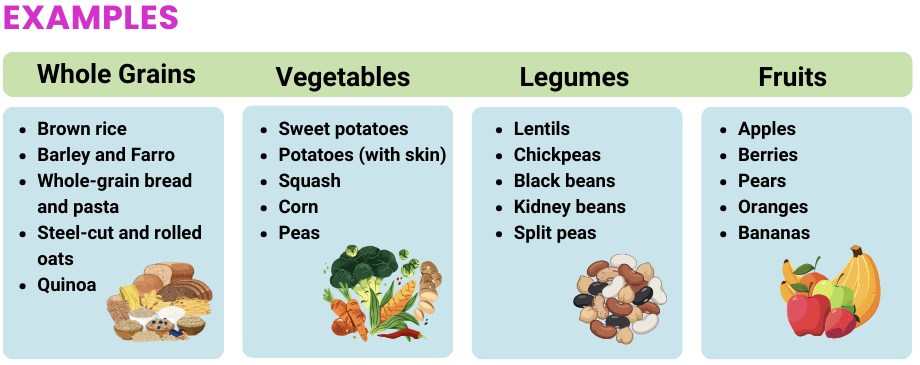
2. Complex carbohydrates
These are foods that digest more slowly, providing a steady release of glucose, and longer-lasting energy, which many cells rely on for energy. They also help avoid rapid spikes and drops in sugar.
3. High-quality proteins
Provide essential amino acids that supports muscle maintenance, tissue repair and immune function. Adequate protein intake is important for preserving strength, especially for individuals with muscle involvement.

4. Healthy fats
Fats provide a concentrated source of energy and support the absorption of fat-soluble vitamins. The ability to use fat for energy varies by mitochondrial diagnosis, so individual guidance from a healthcare provider is important.

Not all individuals with mitochondrial disease can use fats efficiently and recommendations may differ depending on diagnosis and symptoms.

Because the body relies on multiple fuels and interconnected energy-producing pathways to generate ATP, maintaining a balanced intake of carbohydrates, proteins and fats is especially important in mitochondrial disease. When one or more of these pathways is less efficient, the body benefits from having flexible access to different sources.
For this reason, highly restrictive diets are generally discouraged unless they are medically indicated and supervised by a healthcare professional. Limiting entire food groups may increase the risk of nutrient deficiencies and can place additional strain on already challenged energy systems, potentially worsening fatigue and other symptoms.
